DISABLE JAVASCRIPT

YOU ARE STRONGLY ADVISED TO DISABLE JAVA SCRIPT


New Tor Browser Bundle


If you are using the latest Tor Browser Bundle, you have probably noticed a couple of things are different.

Most notably Vidalia is no longer included and the Disable / Enable JavaScript check box is not there

Fear Not , we can do something about it.

If you want to have Vidalia you can download the Standalone version for your system here.
vidalia-standalone-bundles

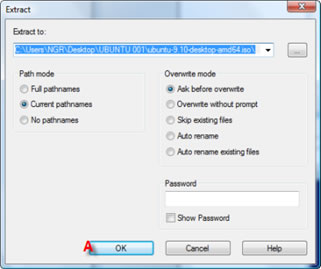
Extract to where you want it and
after strating Tor Browser Bundle,
 Start Vidalia.


Now to disable JavaScript,
open a new Tab
and in the address box type


about:config
Press the confirmation button


In the search box type

javascript.enabled
You will then see a line that says
Double click that line


javascript.enabled     user set     boolean   true
Now it should say

javascript.enabled     user set     boolean   false
JavaScript is now Disabled

Alternatively you can try this Firefox Addon

QuickJS

addons.mozilla.org/en-US/firefox/addon/quickjs/

As suggested here
Tor Browser Bundle 3.5 FAQ


Don't forget to use
NoScript
Forbid Scripts Globally


  TOR SAFETY MUSTS

          SEVEN SAFETY MUSTS BY a very naughty pedo


        ALL OUR GUIDES

The Guide Index

Below

YES -some of these tutorials need updating...volunteers?

is a categorized list of all the guides written by PEDOS for pedos you can read through the relevant guides without asking for advice on a certain topic. If you have written a guide and it's not in this list,contact JAZZY or any one that you know and tell us about your guide so it can be included.
The guides listed but absent will be included soon.

WE WANT EVERY USEFULL GUIDE TO BE ON THIS PAGE

NOT ONLY GUIDES WRITTEN FOR OUR HUB


Security & Privacy
  • Disable Javascript
  • TOR Safety Musts
  • Producing kiddie porn for dummies
  • Tor Security - How to stay safe
  • Stripping EXIF data
Technology
  • The Tails Guide
  • The Freenet Guide
  • The Frost Guide
  • LUKS vs Truecrypt and how to use LUKS
  • TorChat guide
  • TorChat security- how to stay safe
  • How to create a .7z archive (Windows)
  • Truecrypt Guide
  • Creating contact sheets; for sub directories
  • How to create video previews and contact sheets. [ Linux ]
  • How to create video previews and contact sheets. [ windows ]
  • How to use filehosts
  • How to restart broken downloads using only TOR browser
  • How to create previews and contact sheets using photoshop.
Links
  • All new links LIST after the Heartbleed bug!
Misc.
  • Having trouble downloading? A guide to using all major file sharing sites


RESUME BAD DOWNLOADS-TOR

Tutorial: how to resume broken downloads with only the Tor Browser Quite often a large file download will fail due to circuit issues, server problems, and so forth - and the bigger the file, the higher the risk this might happen. Was all that time you spent downloading wasted? Will you have to start over from scratch? The answer is "no" to both questions - because without any installed download manager, you can still resume a broken download with just Tor/Firefox! Now, let's say you were trying to download a file called videos.rar. Downloads often fail without any notice that this has happened, so you might only find out when you try to decompress and it fails, or if the reported size is far short of what it should have been. Sometimes due to how Tor was shut down, you may end up with a remnant file such as videos.rar.part, even though there are no active downloads. So, let's get that download going again - the manual way! 1. First, rename the broken videos.rar or videos.rar.part to a temporary name, such as videos.rar.bak 2. Next, start downloading your file again, as if you were going to start over. Select to save it to disk like normal, in the same folder as before (since you renamed the incomplete file, it won't be overwritten). 3. Now, pause the download. You do this by clicking on the "Download" icon in the top-right (next to the HOME icon), then RIGHT-CLICKING over the filename and selecting the top option, Pause. 4. Then, go to the folder where you selected to save the download. You'll see THREE files related to your download in there: -videos.rar <- 0-byte placeholder for your NEW download -videos.rar.bak <- the OLD file we renamed, with the data we want -videos.rar.part <- data relating to the NEW paused download 5. DELETE videos.rar.part. We don't need this. 6. RENAME videos.rar.bak to videos.rar.part 7. Finally, go back to the Tor Browser and RESUME the download. You do this in the exact same way as pausing a file, except when you right-click over the filename, the top option will be to Resume. 8. After a few seconds, you should see the download progress bar suddenly "jump" to where you were when your original download stopped. That means it's working! If for whatever reason this does NOT happen and the file starts downloading from the beginning again, then the server you're downloading from does NOT support resuming... and even a download manager wouldn't help. Hope this tip helps you save time and frustration!

   PRODUCING C.P. FOR DUMMIES

Author: Unknown

Introduction

Who Is This Guide For?

This guide is made to teach would-be producers of kiddie porn how to make pictures and videos that are safe to share and how to sanitize existing material. It is not a guide to:
  • Finding or grooming children, nor make them appear on camera.
  • Staying out of trouble in real life.
  • Teaching you photography, filming or editing in general.
  • Sharing or trading safely with other people.
In short, this guide assume you already have the ability to produce it and a desire to share it with someone else, privately or publicly. It describes what you should do before sharing it, though many things are most easily avoided when producing it rather than editing it out afterwards.

What's The Purpose Of This Guide?

Keeping you out of jail. There are always risks but so many producers are lost because they make foolish mistakes, leaving clues that lead the police to them. That is simply so unnecessary so I'm posting a guide to it. A lot of this may seem like common sense, but it seems many didn't notice or didn't care.

I Only Want To Share Privately and I Trust Them. Why Should I Care?

Because some of them might be careless or deceItful or cooperate with the police or any other number of reasons. Maybe they can be trusted, maybe they can't but either way it's best not to leave clues all over your video just in case. Most of what I will be talking about isn't going to ruin the quality of the video, it's mostly about the setting and surroundings. As I'm sure you know, if first private material leaks it will rapidly spread everywhere. The police are unlikely to be able to trace it back to the source, so for the most part they look for clues in what they have found.

Who Are You? Why Should I Trust You?

Well you shouldn't trust me, like what I said most of this guide is common sense when you think about it - the point is to make you think about it. I've been around for a long, long time and have read many news stories about people being arrested and seen many examples in the community. Consider this just an anonymous, condensed version of that.

It's Too Long, I'm Not Reading All That

This is not something you "learn by doing", a few people have gotten lucky and gotten away with foolish things but many are now serving long prison sentences and deeply regret their single mistake for the rest of their lives. I can't force you to take the time but I deeply urge you to take the time, it may be the best spent 30 minutes of your life.

You're Too Paranoid/Not Paranoid Enough!

Well, it's always a matter of degree so I've decided to put it in three categories: Dos, always good. Don'ts, always bad. Maybes, things that might help improve your security but also makes the result worse, like censoring out face and sound. I'll try to describe the pros and cons. You may also try to mislead them but even things like a can of coke vary slightly in design from country to country (list of ingredients, recycling marker, bar code) so it is by far most important not to give them real clues.


The Dos and Don'ts


The Setting

By far the most ideal setting is your private home, in general you would want to avoid public places many people would recognize. This may seem rather counter-intuitive as the home is yours, but reality is that tracking you down goes in stages. If they can track you to a public location near you, they can make a very intensive search of that area.

Don'ts:
  • The public schoolyard - Producer of Marion series got caught because he took a picture of her in the school yard, nobody recognized the girl but several the school yard.
  • Outside public buildings - A non-nude pic of the Paul Jones Photography series can be traced to a barely visible public building - it wasn't what caught him but all the same.
  • Street signs - A garden picture which foolishly included the crossroads at a distance, with zooming and guessing you could mostly make it out.
Maybes:
  • Hotel rooms - Keep focus close or preferably avoid at all, the Tara/Reanna Huskey producer was in part caught because of art on the walls. Also the Disney girl (Masha Allen) was traced to the specific room he had used.
  • Outdoors - Some people are extremely good at idenitifying vegetation and landscapes, bird chirps and other clues to your area and the police use such specialists.
  • Cars and motorcycles - The police are really good at finding the exact make, model and color of your car. And whatever you do, don't get the number plate in the picture.
Dos:
  • At home.
  • Garage or outhouse.
  • Garden - if safe from prying eyes.
  • Tent, camping wagon.
All the "dos" still assume that you keep things others shouldn't see out of the picture, so keep reading.

Background Items

I can make a very long list of what you shouldn't have in the background. If you want the brief summary, you should only have yourself and whatever furniture - bed, couch or such - you are on in the picture, the background should be as clean as possible. Many have failed to see that in shelves, on the walls, lying around on tables or the floor have been vital clues. I will list just a few

Don'ts:
  • Identity cards (Holly).
  • Certificates (Holly).
  • Memorial plates (Tori - Victoria).
  • Phone number scratched in post.
  • School timetables.
  • Schoolbooks with name (Enza & Marzia).
  • The local newspaper.
  • The local TV.
  • Books about the local area.
  • Local phone directory (John R. Tucker).
  • Local sports team items like bedsheets (Scargirl).
  • Addressed letters.
  • License plate (garage).
  • Bags with local shop names.
  • Food items with batch numbers. To make recalls there will be records of where it was shipped to.
  • Garbage bin in back yard with city label (Brianna/Jessi).
Maybes:
  • Don't display any text in your native language anywhere, if you choose to do this then you should also follow the other advice below.
  • Don't reveal your keyboard layout. Almost every country's keyboard layout is unique, particularly for small countries this may be important.
  • Edit out any wall sockets, many countries use a special style of socket for compatibility reasons even if they've standardized on a modern plug like the Europlug.
Dos:
  • KISS - keep it simple stupid.
If you do have pics or vids with lots of clutter then edit it out. But if you think about it a little before you make it, you can save yourself all the trouble. Unclutter where it is you are filming, move all the junk somewhere else and leave the film with just normal furniture, that rarely tells them anything at all.

Clothes and Accessories

This ought to be simple yet apparently it is not. Also remember that the "local" thing goes for both of you.

Don'ts:
  • School uniforms.
  • Girl scount uniform (Marissa).
  • Band uniform.
  • Custom dance group costume.
  • Theme park bracelet (Marissa).
  • Local sports team clothes (participant, fan or cheerleader).
  • Shirt with work logo (IM series).
  • Clothes with nametags - or at least check they're not showing.
  • Anything else local and unique to your area.
Do:
  • Get sexy and kinky if you want - just use mass produced products.
Playthings

A bit of an odd category, but when you let them play with objects there's been a few stupid things.

Don'ts:
  • Bus ticket (Kovatod).
  • Novelty dollar (Tent Video, was traced to a nudist camp).
Dos:
  • Any mass produced toys, children's toys or sextoys...
Bodies and Faces

Usually a part where most are paranoid, yet hardly what most get caught from.

Don'ts:
  • Don't show your face, really we don't need to. If you're doing oral on them, limit it to the mouth area.
  • Don't show any tattoos, birthmarks or other very distinguishing features if you can help it.
  • Don't give them any good closeups of your fingerprints - even if they're not on file, better safe than sorry.
Maybes:
  • Edit out her face - Unlike what most people believe there's many, many children that look very similar and their faces change rapidly as they age. This is mostly an issue if the video is very new and if they start searching through school photos and such it's because they are already very close. There are many examples of pictures with face where the producer has never been found. Still, it's a risk. As a middle ground you could just censor the eyes, either afterwards or by making her wear a mask or sunglasses. This should almost certainly be sufficient.
Dos:
  • Keep the camera where it should be, if you wave the camera around remember they will step through it frame by frame so never believe that anything happened "too quick" for anyone to see anything.
Sound

Another tricky subject, but there's certainly some clear dos and don'ts.

Don'ts:
  • Don't listen to the local radio (IMG series).
  • Don't listen to the local TV.
  • Ever reveal any of your true names.
Maybes:
  • Preferably don't listen to live broadcast, put on a CD or DVD instead.
  • Depending on how distinct dialect you have and how much talking there is, you probably will have to edit the sound. Most audio editors have a "Silence" function that will silence part of the track. You should absolutely edit out any mention of real names. The easy way is just to cut sound completely, but that is a big loss.
Dos:
  • Learn to use an audio editing tool and let us at least hear the slurps, moans and groans. Please, it is not dangerous just a bit of work and makes it much better.
Files and Formats

For pictures, be sure to remove any EXIF data, which is a form of metadata typically found in JPG files - it contains timestamps and a lot of other technical data about your camera. For mobile phones, it may also include GPS coordinates.

Don'ts:
  • Don't release pictures with EXIF data.
  • Don't include date in filename or video (Tara/Reanna Huskey).
Dos:
  • Pick an artist name and stick to it, do NOT use her real name.
  • Use maximum quality, we can always downsize/recompress it later.
The How-To

So far I've said edit out this, edit out that... how exactly? For pictures it's rather simple, there are many free editing tools for Windows, Mac and Linux. I will show a few examples using Paint .NET, a free editor for Windows.

Pixelation

This is the best tool for faces etc., it is not reversible and looks the least disruptive.

Flood Fill

The pixelation tool can be used for faces and almost any object, but should not be used for printed text. For that a simple flood fill is best.

Picture Metadata

Many image tools have a way of editing metadata, but editing each picture manually takes time and is error prone. You could also copy-paste it into a new image, but that would lead to quality loss and is unnecessary. The easiest way is using a tool like jhead to edit the jpg header, which is available for Windows, Mac and Linux. Simply execute this at the command line:

jhead -purejpg *.jpg

This will remove all metadata from all files in the directory. If you want to keep the originals with the metadata, make a copy first. Alternative tools with GUIs are IrfanView, jStrip and ExifTool.

Audio Editing

Simple audio editing can be done with Audacity under Windows, Mac and Linux. Simply select the part you want to silence and hit Ctrl-L. You will have to save the audio separately first, edit it then mix it back with your video.

Video Encoding

If your clip is safe enough to release without editing, consider posting it in the native format. If it is too large or your connection too slow an encoding tool like HandBrake can encode it. Otherwise see the next section about editing.
  • Select source -> video file and pick your input file
  • Select the output filename
  • Click start
This tool is of course capable of much more, but that would go far beyond the scope of this guide. It has a good user manual if you are interested in the encoder settings.

Video Editing

Properly editing a video is a quite complicated process and there's no really strong free tools. However the essential part is to place a filter, similar to the pixelate or flood fill for pictures over the video and adjust it through key frames, that act somewhat like waypoints. A guide for Adobe Premiere Pro is here.

And Some Other Advice...

Not related to security but:
  • Get a good camera. Please.
  • More light in the room always help, the #1 problem is that videos are too dark.
  • If you like this guide, share your stuff. It'll get to me...


   MAKE 7-Z ARCHIVE- WINDOWS

How to create a 7z archive

First you will need a program to do this with, for this tutorial I will use 7zip found Here
Note: Using only authentic programs, direct from their source is a good practice to follow in general.
   
Downloaded and installed 7zip. Once you have it installed proceed:
To begin you need to find the file/folder you want, here you can do one of two things. First you can rename the file/folder to something innocent such as �twincitys� or you can leave it as it is.
Right click on it and select �7-zip� and then select �Add to Archive��

That will open a prompt that looks like this:


By default the .7z file will be named whatever the name of the file/folder is so if you have not changed the name of the file/folder now is the time to do it.
Keep the archive format simple and in 7z.

Don�t mess with the other setting (there is no need most modern computers can handle LZMA2 but not all computers people use are modern). 7-Zip, by default, selects the number of threads based on your logical CPU count (up to 2 for LZMA), so if it's set to 1, then you probably only have a single core CPU (leave it). Archive format, Dictionary size, Word size, Solid Block size, Update mode, and Encryption method are all predetermined and should not be messed with unless you know what you are doing. It is a good idea if it is not checked to check Encrypt file names and to check Show Password (so that you know what you typed in). Do not anything with Parameters either unless you know how it works.

Note: If you do know what you are doing and choose to mess with the settings then please bear in mind that not everyone has the most modern computer and cannot necessary handle high setting i.e. more than 2 cores.

The only time that you might change a setting is if you have a large file. The two setting you might edit are the Compression method, and/or the Split to Volumes.

Compression Method:
The higher the Compression method the smaller the end file, however it will take longer to compress. And subsequently decompress. For example compressing an 862MB folder on fastest will take two (2) minutes and produce a file 250MB but on ultra it will take nine (9) minutes but will produce a file 145MBs.

Split to Volumes:
The Split to Volumes will break the end file (result) into different volumes (parts) with sizes that you dictate. For example if I have a 500MB movie but don�t want to wait to upload 500MBs I could chose to break it into smaller say 100MB volumes and up load those.  Saving you uploading time and people downloading time. The primary downside of this is that if you don�t have all the parts, or one of the parts is damaged (i.e. corrupted) then sometime it is not possible to extract past that point, if at all.

Once you have selected your settings it is time to select a password. It can be anything; however do not make it too easy to break through a dictionary or brute force attack. In simple terms don�t make only letters or numbers, make it longer than 8 characters, and through in some special characters (i.e.*_-%$#@&^*#@~!) . Also it is helpful for others if you have one password for all your files. And you attach that password to your signature. This can be done by going:

Profile->Modify Profile->Forum Profile

And under signature write something to the effect of �PW: 3424*#%#$@�

After you have compressed your folder/file, upload it and paste the file link to your post.
If you have any questions feel free to contact me either here or by PM.


>

   TOR SECURITY

Java/Script/plugin checker link (if ANY plugin's or details are unblocked/ shown, you need to immediately fix this threat and double check NoScript settings etc. If nothing is shown and plugins blocked/not installed then you're safe.  You want this page to show no results, which means your not leaking personal information.

http://www.stilllistener.addr.com/checkpoint1/Java/

Homepage.

Tho it is plain and boring dont change your homepage from about:tor It will advice you as soon as you open Tor if there is a TBB Update and will keep you ahead of the game. I changed my own homepage before a new TBB was released and didn't find out about the new one until three days later. And from now on i will be keeping my homepage on default about:tor, I advice you do the same and you'll never miss updates.

Blocking Scripts Globally.

When you first install Tor Browser bundle, scripts via NoScript are globally allowed. This is very dangerous to your privacy and should be turned OFF. you can right click the no script icon (S icon next to address bar) and select options,in general tab, uncheck the scripts globally allowed tab.

Blocking Embeddings.

After you do that, you need to block embedded scripts (which again are allowed by default) click on the S again and go to Options>Embeddings then click all the boxes to forbid Java, Flash, Silverlight, Plugins, <Audio/video>, Iframe, Frame and font-face and click OK

Blocking Javascripts directly. (about:config)

After you have done this you still need to block JavaScripts in firefox incase Noscripts ever fails to protect you, or another exploit comes to light in the future. To block Javascripts in the Tor browser, Type about:config into the address bar, click 'yes you know what you are doing' scroll down (or type in the search box)  javascript.enabled and change it to false by double clicking it.

Blocking HTTP Referrer headers. (about:config) (Optional)

Again Tor Project fail to have another security issue off by default. Referrers (for those that dont know) provide infomation to sites your visiting about what site you came from eg: the full internet address. This should be OFF to protect your privacy. If your not still the "about:config" option repeat what you did to block javascripts by typing about:config in the tor browser address bar.
Then Look for network.http.sendRefererHeader and double click on it and change the value from 2 to 0. So next time you open up a link, it�ll block the referrer URL to be passed to that website.

Please Note: This is optional, and turning Referrers off may prevent you downloading from clouds like anonfiles etc.

Plugins/Addons/P2P/Torrents/Webcam Sites

As stated already addons/plugins should be blocked and/or not installed at all. This includes 'DownThemAll' NONE are supported by the TorProject and ALL run the risk of bypassing the Tor Network and accessing the net directly, which runs the risk of leaking your real IP Address. Personally i'd rather slower downloads and no knock on the door by LEA than faster downloads and having my collection taken from me anyways. Also worth mentioning Torrents and all P2P like GigaTribe etc are VERY unsafe and will see you exposing your real IP addresses. LEA head to GigaTribe whenever they want to get easy Convictions (which is daily) so don't be one of them. As for webcam sites people still try to use them to try to get kids to do stuff on cams for them. All these site these days are strictly monitored (even text only ones). All the cam sites require Javascripts/Flash etc to be installed and ON, so you will be revealing your real IP address if you use these sites. Also many people used to use software like ManyCams etc to display a video onto the cam site that the victim could see, and be tricked into thinking it was who they were talking to. All major cam-sites now detect such third-party software and warn the view your using third party apps. As said IPs are logged, you cant use tor securely over them, and old trick methods no longer work, so cam-sites are low results and VERY high risk. After P2P, Webcam sites are LEA's second fav place to catch people and get easy convictions.

Downloading.

A lot of people keep asking about the download warning in Tor, when you click to download something your given a warning followed by two options, one is to OPEN the file, While the other is to SAVE it. You should NEVER pick the option to 'open', this would expose your real IP address (not Tor IP) to the website. So ALWAYS select Save and you remain hidden. If you go to TorBrowser Options (by clicking on the top left corner of your browser) Then go to Options>Options>Applications tab you can change the settings automatically. This will prevent you from accidentally opening a file in the browser instead of saving it. Since opening files will expose your IP address, you don't want to make that mistake. And change 'Portable Document Format (PDF)' from 'Preview in tor browser' to 'Save File' and click ok. You could also as the warning message says use a VM such as Tails to help protect your downloads even more.

TorChat

Torchat suggests to all windows users  to upgrade tor engine inside torchat each time a new tor browser is released following these simply instructions:
1. Close TorChat
2. Download the offical Tor Browser Bundle from Tor Project
3. Extract Tor Browser Bundle to: c:\
4. Copy: C:\Tor Browser\Tor\tor.exe to c:\TorChat\bin\Tor\
5. Copy: C:\Tor Browser\Tor\libeay32.dll to c:\TorChat\bin\Tor\
6. Copy: C:\Tor Browser\Tor\libevent-2-0-5.dll to c:\TorChat\bin\Tor\
7. Copy: C:\Tor Browser\Tor\libssp-0.dll to c:\TorChat\bin\Tor\
8. Copy: C:\Tor Browser\Tor\ssleay32.dll to c:\TorChat\bin\Tor\
9. Copy: C:\Tor Browser\Tor\zlib1.dll to c:\TorChat\bin\Tor\
10. Start TorChat: c:\TorChat\bin\torchat.exe

for more information:
http://tcdirevi7lo5g7wo.onion/feedback.php

Tails.
 
Tails is a live operating system, that you can start on almost any computer from a DVD, USB stick, or SD card. It aims at preserving your privacy and anonymity, and helps you to: use the Internet anonymously and circumvent censorship; all connections to the Internet are forced to go through the Tor network;
leave no trace on the computer you are using unless you ask it explicitly; use state-of-the-art cryptographic tools to encrypt your files, emails and instant messaging.

Its an extra layer of protection that a lot of people trust and use, to learn more go to https://tails.boum.org/

Shredding history/cache/cookies and other footprints left behind.

I personally use Ccleaner to delete and overwrite such files (there are tons of other programs out there tho) its free and covers a lot of software footprints. If you do use it i would recommend going to Options> Settings then clicking on the drop down menu and selecting 'Complex Overwrite (7 passes)' and selecting 'secure file deletion'. And make sure all boxes are ticked on the 'Cleaner' tab on the main program screen. Tick all boxes on the 'Windows' and the 'Applications' Tab. Then hit 'Analyze and Run cleaner. I would recommend using this before connection to tor and after you left Tor, to wipe all cookies etc. I have also been told about a Add-on if you like, for ccleaner this addon adds 100s more applications/cache/history/log files to ccleaners applications list.
I would advise caution when using CCEnhancer tho, its NOT supported by the company that makes ccleaner, so its not beta tested like ccleaner is. And its use may lead to bugs or errors with windows. I would suggest if your not an advanced user then just keep using ccleaner on its own. If you're an advanced user then CCEnhancer is great however not all on the new "application list" are even needed, so please read every application and check that its needed before checking its box in ccleaners app list. Some of the logs are simply screen resolution settings etc, and don't need to be removed to protect privacy and would mean having to set your screen resolution etc on every reboot. So read the warnings carefully.

Ccleaner (for Reg Users)-https://www.piriform.com/ccleaner

CCEnhancer (for Advanced Users) -
http://singularlabs.com/software/ccenhancer
(Put in same folder as cclearner is in, then click the 'download latest' button on CCEnhancer and then check the new application boxes in ccleaner).
Credit to TP @ BV4 for CCEnhancer info.

Accessing Tor on other devices.

People keep asking if its safe to access Tor from phones/ipods and Tablets such as ipad, the answer is No.

Yes there is software that allows you to connect to Tor from such devices, however its not full software and has a lot more weaknesses. Not to mention these type of devices have java and other software that can not be turned off, and well as backdoors and regularly send logs and check for app updates etc, again which have no settings to turn them off. Which mean's its highly likely at some point they will expose your real ip address, and even if you don't have the device registered or not registered in your name, they all send back GPS info to the makers servers. This info is (in most countries US/EU) legally kept for two years, so they know where you go, where you live,work or go to school. So ignore the BS developers who say these Tor apps are safe, because they're far from safe.

Using Public/Hacked WiFi.

Using someone else's Wifi connection technically is no less safer than using your own (if accessing both over Tor and following the norm security advice). keep in mind i only mean the encrypted data is no less safer on public connection, not the act of doing it. However I wouldn't advice using public or hacked wifi for the following reasons.

1. The connection would still be encrypted from the wifi owner, but they could still work out where you were from from the wifi signal strength. And they could also know that your using Tor (from the packets) as well as how much data you're using. Which could lead to them investigating you more closely. They will also get your MAC address (Physical Address) of your Ethernet adapter (auto logging process when you access someone elses router), which could be used against you in court, if they ever get physical access to your computer.

2. As said public places have the Public, I read 20+ news reports of people using public or hacked wifi in public places as well as outside someones house (whos had their wifi hacked) and been caught red handed by chance mostly. One guy traveled 40 miles to hack someones wifi late at night in his car to download cp, however his screen was spotted by a dog walker who called police and the guy was arrested. You can never be sure who can see your screen, or who may come up to your computer/ look over your shoulder to get a peek or ask a question.

3. Eyes in the sky is also a risk since most public places these days have a lot of security camera's that are hidden and others in plain view. As well as the public with camera on their cellphones etc, so you can never be 100% sure your screen cant be viewed. Or if someone can take a quick photo proving what you've been up to and using it as evidence against you later or even blackmail you.

4. It came out last year that an encryption company ran a test on computer encryption and basically broke what was said to be the worlds strongest encryption. How? By simply using audio devices to LISTEN to the sounds the computers made while someone was inputting their encryption passphase. Tho this would be unlikely to be used often even with the 100% success rate its claimed to have, and probably only used on terrorists under surveillance. However if you use the same public wifi connections often and have raised suspicion in the past, its possible this new technique could be used against you. Which would basically render even full disk encryption useless. This only breaks computer encryption when inputting passwords for it and do not however break any tor encrypted data traveling over the wifi.

5. Another thing people forget about when accessing someones WiFi connection for illegal purposes is Cell Phones. And you can bet LEA will contact all phone companies to order a list of all phones that where on and in that area at the time (If a criminal investigation is started). Even if a person hasn't registered the phone itself the person can still be traced in many ways. The main being they know and log all a phones movements via their phone signals, they can determine where the person is living from those records alone. On top of that the phone company still retains ownership over the SIM card in peoples phones, so if a person has contacts saved on SIM card, the phone company can send that information back to themselves, thus getting peoples home phone numbers, work numbers etc. As well and more than likely being about to trace how the cellphone was topped up, eg where the person brought the credit from and with what method.. So the key point is don't have a cellphone with you if you use other peoples WiFi for illegal purposes, or if you do turn it off before going near the WiFi area. Keep in mind some older phones don't totally turn off when you switch them off, it's been said some older phone basically go into power saving mode and are still on and check for updates etc. So best not to bring them at all or remove the battery instead.

Windows 8 is not recommended at all!

All Windows 8 machines contain a chip called Trusted Platform Module (TPM), this chip is meant to block access to software and hardware which could be harmful to your system or avoid software conflicts (that's the good news). The bad news is it also allows Microsoft FULL access to every Win 8 machine remotely, the chip cannot be turned off in win 8 nor will a firewall, anti-virus protect your system from Microsoft having full control over your system. Which of course means NSA and alike can also get access to machines/monitor cams, take screen shots and record users, undermine other security programs like encryption. The NSA tried making a backdoor chip, law years ago, meaning it would be illegal to own a machine without such a backdoor chip, however due to privacy the courts didn't allow this law to pass. And now with Windows 8 comes with the chip that does just what the NSA wanted. Its not law that you have to use it, so don't. If you doubt this or think I'm being paranoid have a read of this.

http://rt.com/news/windows-8-nsa-germany-862/

Please Note: If you want to check if your PC has TPM chip you can hold the Windows button and press R. That should bring up the "Run" console. then type in "tpm.msc". Now you should have a form which tells you wether or not you have a TPM installed in your PC. Credit to Raykom @ H2TC for info.


Media Players.

When playing on topic stuff in your media player its recommended to be offline OR have that program blocked in your firewall from outgoing connections. Media players have a nasty habit of connecting directly to the internet (by passing tor network). They're normally checking for updates, but can also in some cases send back information including Real IP Address, file names, descriptions, and Hash codes of the files themselves. Some offer free built-in subtitle searches, which basically copy to hash code of the file your playing, send it to their server and they scan it for a match to provide subtitles. However Interpol and other agency's offer some large and small companies lists of all hash codes of known cp files to Microsoft and alike, and when they do a subtitle search they could also check the hash code of the file your playing against the known cp hash database as well. Microsoft are already using this Technology to search cloud servers like Skydrive for CP hash matches, This could apply to all media players not just Microsoft's, so its recommended to be offline or block outgoing connections from media player/s you use for topic stuff in firewalls. If you pick to block the media player instead of being offline while viewing topic stuff on it, don't forget to check for updates for the player (since blocking outbound connections will prevent auto updates).

TOR Exit Nodes.

All traffic over Tor is encrypted and ISP's cant see what your doing, however after your requests have been bounced around to the different tor nodes the last node/computer on the tor network your connected to (known as a Exit Node), can see the traffic in plain text. They Do NOT see your real IP Address, that is still hidden and was replaced with a tor ip from the first node (on connecting to the tor network you were given). But the exit node can find out where you have been, what sites you have been looking at and if you input usernames/passwords they can see them as well. Some exit nodes have no logs, some however are run by companies and people who actively record/log the exit node data. And of couse it's known some exit nodes are run by Governments around the world. So keep in mind they can see the information you request however cannot see your real ip address. So its advised not to link your tor identity to your real identity, so NO shopping online or logging into your real email accounts etc. As from there they can see the information and link you to your real identity, or LEA can for example request your account information/ip address of the user who owns that Amazon/ebay/youtube/gmail or other accounts. They can only see this information if the connection was not over a https (encrypted), so if there is a second layer of encryption they cant view that information. However its always my advice to avoid using tor even over https connection to access accounts that could possibly be linked back to your real identity.

Update: NSA & HCHQ have broken/cracked SSL encryption used for 'https' connections and can decrypt that data. The information was leaked by Ed Snowden. So again don't mix up personal life with tor life even over https/SSL connections its not safe, and we know this for a fact now.

Cookies - How NSA is using Cookies to Track Tor users ?

Let's suppose that there is a famous online shopping website, owned or controlled by NSA. When a normal user will open that website from his own real IP address, the website creates a cookie on the user ' browser and stores real IP address and other personal information about the user.
When the same user will again visit the same NSA owned website, enabling Tor this time on the same browser - website will read last stored cookies from browser, which includes the user' real IP address and other personal Information. Further website just needs to maintain a database of Real IP addresses against the Tor Proxy enabled fake IP addresses to track anonymous users. More Popular the site is, More users can be tracked easily. Documents show that the NSA is using online advertisements i.e. Google Ads to make their tracking sites popular on the internet.

How you can avoid Cookie tracking ?

One browser can't read the cookies created by other browser (As far as we know at the moment but this may change in the future, or become public). So Don't use Tor on the same browser, that you use for regular use with your real IP address. Only use the standard Tor Browser Bundle instead for Anonymous activities. You should always clear the cookies (with ccleaner or alike) after you�re done so any stored information, such as login information � will not be stored on that computer. If you're doing something very interesting, you should use Tor on a virtual machine with the live OS so that cookies and cache and other OS data are dumped when the machine is closed.

Tor2Web.

Have seen this talked about a few times so to remind people about the risks of this. Tor2Web is basically a clearnet site/service that gives non-tor users access to Tor hidden services from a normal browser. However just to remind people this site gives no protection whatsoever to visitors, your accessing on clearnet so your ISP can see everything you do (which is legally logged for at least two years). No encrypting connection is given to visitors and the site doesnt even have a privacy policy in place so you don't even know if they themselves log searches. However they do give the following warning : WARNING: tor2web only protects publishers, not readers. As a reader installing Tor will give you much greater anonymity, confidentiality, and authentication than using tor2web. Using tor2web trades off security for convenience. I suggest following their advice and ONLY access tor services on Tor/TBB itself, for protection against logs/ and prying eyes from tracking cookies and ISP's/LEA.

VPNs/Proxies services (non-Tor)

A virtual private Network (VPN) service basically are meant to do the same job as tor but offer faster speeds (normally), they're job is to replace your IP address with one of their own and encrypt your connection. The very important difference with VPNs vs Tor is that VPN know your real IP address, Tor does not. VPN's are required by law to hand over your information if demanded to do so by the courts. VPN services are also required by law in most counties to log users data, just like other ISPs are for currently a min of two years. So you see using VPN's for illegal purposes doesn't work as you would think. Some VPNs try to hide they keep no logs by saying 'We hold no content logs', content logs are basically all the URLs you visited and data you uploaded and downloaded while using the service. LEA don't need 'content logs' all they need and want are you persons IP address, and IP addresses are logged by law and not part of the 'content logs' the VPNs refer to. So they will and do mislead paying users, even lulzsec members (hacking group) got busted because they too trusted a VPN called 'HideMyAss'. 'HideMyAss' also claimed to have no logs, after they handed over IP addresses to the UK police who then handed over the data to the FBI, this VPN admitted it legally still had to keep ip address data. Some will also mislead people by saying they use IP-sharing services, meaning 10-30 customers will be given the same VPN IP address at the same time. And the VPNs that use this claim this will protect the users, because LEA may come to them and say for example this IP address was downloading CP on this date and time. And the VPN then can say well 20 people where using that same IP address at the same time, so we don't know which one was downloading the CP. However LEA can then simply legally order all logs for those IP addresses on the list that shared that same IP connection. From there they can then match other CP downloads at different times and see which real IP address keeps coming up on the list of people using the VPN to download CP. So basically it may take LEA a bit longer to work out but even if the VPN uses shared ip-address services the people behind them can still be found out. So Tor is still your best bet for the reasons given, some people may use free VPNs AFTER connecting to tor, which means the VPN only ever gets your Tor ip address and since its free it holds no subscriber info as well. Keep in mind if you use tor with other proxies/VPNs then your connection speeds will be slower tho. NEVER trust VPNs or subscribe to them or connect to them before connecting to Tor. Some VPN services now ask for min details or even fake name, address etc and offer payments via Bitcoins etc. Again this is misleading since yet again they will and do by law keep your real IP address on record, which is all the LEA  normally need or want to locate the person under investigation.

Spyware/Malware protection (Windows Only)

Of course you should have an anti-virus and firewall product updated and installed on your system, but as an extra layer of protection you should always have and use at least one spyware scanner program. I cant recommend software for other operating systems because i dont use them so wont recommend something i havent used. However if your not using windows i'd recommend doing a search yourselves and see whats out there for your operating system. As said spyware scanners are an extra layer of protection and often find things that could be a threat to your privacy that a AV product wont. If your only going to use one I'd say malwarebytes is currently the best free anti-malware product available for windows at the moment. Spy-Bot used to be the best years ago and i used to love it, however since they started doing a paid for version as well as a free one, the free one is more bloated and doesn't ofter the same detection rates it used to.

Malwarebytes Anti-Malware - https://www.malwarebytes.org/downloads/
System requirements: Windows 8.1�, Windows 8�, Windows 7�, Windows Vista�, Windows XP� (32-bit, 64-bit)

Spybot - Search & Destroy - http://www.safer-networking.org/mirrors/
Available on Windows 7/8/Vista/XP

Please note: You should use any spyware scanner while Offline, just in case they ever start searching for MD5 child porn matches in the future. Always backup registry before removing suspect files with anti-malware products and send items to Quarantine instead of deleting suspect files. Spyware scanner's do often result in a lot of false positives, so you may need to recover files that may have been ID'ed as Malware by mistake. So always use caution when using products like this, just as you would with registry cleaners and alike. Also if you use keygens or hacking software (port scanners etc) just like AV software spyware/malware scanners will normally flag/give false positives for such software/programs.

Encryption.

In this game Encryption is a must! I would recommend Truecrypt to encrypt your Whole hard disk. TrueCrypt doesn't offer full disk encryption for Linux only containers, in which case for Linux users use Linux Unified Key Setup (LUKS) instead for full encryption. Full hard drive encryption will encrypt all files on your HDD (doh) but that also includes all deleted files as well. If you have files deleted that were not shredded/overwritten before installing turecrypt then you need to run the 'free space' shredder option. This option will come up during the encryption process when using the program to encrypt your drive for the first time. There are step by step instructions how to use the full disk encryption on the net. Again full disk encryption can be used to encrypt everything including any footprints/history/cache etc (which is good), some people only bother to use encrypted 'containers', which will NOT encrypt logs and other footprints by itself. Personally I use Truecrypt full disk encryption and also have encrypted container with my topic stuff in it, two layers of encryption is best.

Update: Leaked by Ed Snowden that Both NSA & HCHQ have broken 'https' SSL based encryption used for banking/shopping/clouds/mail sites. It's also possible they have broken TLS based encryption (used for tor connections). But if they have broken internet connections encryption its also possible they're trying to use the same methods to break AES encryption. AES is used with all major encryption packages including truecrypt, given this information i'd advice anyone who has encrypted their drives with AES-only encryption to change the type of encryption used as a precaution. Truecrypt and alike allow you to use different types of encryption when encrypting drives, at the moment the combo of AES/Twofish-Serpent Algorithm is probably the strongest to use. Keep in mind if you do opt for combo algorithm then its safer, however the read/writing of that disk will be slower since it has more work to do by encrypting/decrypting data (which is why most just use AES because it was strong years ago and fast). Also that even if they could break AES as well as SSL (which has not been confirmed nor mentioned by Snowden), I doubt they would use this crack very often against AES. I'm guessing like with other things, this would only be used against top level targets like drug lords/ other counties communications or terrorists than us, to prevent public knowledge that they could break AES.

(Windows/Mac Users) Truecrypts homepage is http://www.truecrypt.org
(Linux Users) Linux Unified Key Setup (LUKS) - https://code.google.com/p/cryptsetup
Credit to Prince@H2TC

Also a side note there is only one loophole in Truecrypt, and thats one option is not on as default. This can be manually changed/corrected in seconds. After installing the prog and installing the full disk encryption, click on the TrueCrypt icon task manager click on Settings>Preferences then tick the boxes 'user logs off','Screen Saver is launched' and 'Entering Power saving mode' and click ok. This now means that truecrypt will also encrypt/protect the hibernate file (which could store/leak passwords).

EDIT: Windows Hibernate file can save things in memory like passwords and usernames (even TrueCrypt password) to the hibernate file in plain text (unencrypted). You can turn the Hibernate file off in Windows altogether for extra safety. Press Windows button then type 'cmd', cmd should pop up in the programs list then right click it and select 'Run as Administrator'. Then type 'powercfg /hibernate off' this should turn the hibernate file off, Credit to TP @ BV4.


Metadata/Exif data.
(Coming soon)


   TOR CHAT GUIDE


Original Source: http://tcdirevi7lo5g7wo.onion/feedback.php


Where can I download TorChat?

        Website: https://github.com/prof7bit/TorChat/
        Download: https://github.com/prof7bit/TorChat/downloads

        1. Create an empty folder: c:\TorChat
        2. Download the latest version from the offical website
        3. Extract the zip file into: c:\TorChat\
        4. Start TorChat: c:\TorChat\bin\torchat.exe

        Warning: do not download TorChat from any other source then the original, the one hosted on http://[removed]5h5.onion is a modified version that will send a copy of the files you transfers to the creators server.
   
Is there a TorChat version for Mac?

        There are "unofficial" clones for Mac

        Website: http://www.sourcemac.com/?page=torchat
   
What is my TorChat ID?

        You can find your ID in the the main Window title bar and in the contact list as "xxxxxxxxxxxxxxxx (myself)".
   
Can I use TorChat on Tails?

        Not without a good amount of troubleshooting.
   
Can I block someone on TorChat?

        No, this is not possible.
   
Is TorChat safe?

        TorChats is based on two Hidden Services exchanging messages, this is anonymous, no one can intercept your messages or assume your identity.

        Although using it for chat is safe you can still receive files with virusses, trojans, malware or other nasty stuff that can compromise your computer or identity. Be careful when receiving and opening files, keep your computer and virusscanner up-to-date!
   
What does the blue globe mean?

        TorChat uses two connections to verify identities, one outgoing connection from you to your contact and one incoming connection from your contact to you. When one of the connections cannot be established you get the blue globe.
   
Why can't I connect at all?

        Try this:

        - Make sure your computers date, time and timezone are correct.
        - Close TorChat, delete everything in the data folder (c:\TorChat\bin\Tor\tor_data\) and restart it.
        - Upgrade TorChat and Tor to the latest version.
        - Be patient, sometimes it can take a while to connect.

        Ps. The myself contact doesn't have to be green at all for you to be able to chat with others.
   
My file transfers sometimes just stop?

        Best thing you can do is wait at least 10 minutes before aborting. TorChat will timeout the transfer after 10 minutes, disconnect the connection and restart it. If this doesn't happen after 10 minutes you can probably abort the transfer.
   
How do I upgrade to the latest version?

        This is a guide for Windows:

        1. Close TorChat
        2. Rename the current TorChat folder: c:\TorChat -> c:\TorChatOld (this is your backup)
        3. Create a new TorChat folder: c:\TorChat
        4. Download the latest version from the offical website
        5. Extract the zip file you just downloaded to c:\TorChat
        6. Copy the file c:\TorChatOld\bin\buddy-list.txt to c:\TorChat\bin\
        7. Copy the folder c:\TorChatOld\bin\Tor\hidden_service to c:\TorChat\bin\Tor\
        8. Start TorChat: c:\TorChat\bin\torchat.exe

        Upgrade Tor (optional)

        1. Close TorChat
        2. Download the offical Tor Browser Bundle from Tor Project
        3. Extract Tor Browser Bundle to: c:\
        4. Copy: c:\Tor Browser\App\tor.exe to c:\TorChat\bin\Tor\
        5. Copy: c:\Tor Browser\App\libeay32.dll to c:\TorChat\bin\Tor\
        6. Copy: c:\Tor Browser\App\ssleay32.dll to c:\TorChat\bin\Tor\
        7. Start TorChat: c:\TorChat\bin\torchat.exe
   
Can I run more then one TorChat at the same time?

        Yes, this is possible but it requires editing the configuration files for every extra TorChat you want.

        Steps:

        1. Close all TorChat applications
        2. Create an empty folder for the new TorChat: c:\TorChat2
        3. Download the latest version from the offical website
        4. Extract the zip file you just downloaded to: c:\TorChat2
        5. Start TorChat so it can generate the torchat.ini file: c:\TorChat2\bin\torchat.exe
        6. Close the new TorChat
        7. Edit this file in notepad: c:\TorChat2\bin\torchat.ini
       
Code: [Select]
Section	Change this	Into this
        [client] listen_port = 11009 listen_port = 22009
        [tor_portable] tor_server_socks_port = 11109 tor_server_socks_port = 22209
        8. Edit this file in notepad: c:\TorChat2\bin\Tor\torrc.txt   
       
Code: [Select]
Change this	Into this
        SocksPort 11109 SocksPort 22209
        HiddenServicePort 11009 127.0.0.1:11009 HiddenServicePort 11009 127.0.0.1:22009
        9. Start TorChat: c:\TorChat2\bin\torchat.exe

        Ps. You can just increase the numbers if you want more then two "SocksPort 22209" -> "SocksPort 33309" etc.


torchat security + safety

   TAILS GUIDE

Author: RogerNyght

The Tails Guide

Table of Contents

1.a Foreword. What's the goal of this guide?
1.b What is Tails?
1.c Tail's concept
1.d Why can't I use Windows / Windows in a VM / Operating System XYZ?

2. How to choose strong passphrases
3. Requirements for Tails

4.a First steps
4.b Using Tails as a completely amnesic system
4.c Using Tails with a persistent volume

5.a Encryption of an external drive
5.b How to mount a LUKS-encrypted volume in Windows

6. Secure deletion of a drive or partition

7.a Using the persistent volume
7.b Storing files on the persistent volume
7.c Firefox bookmark management
7.d The password manager "Passwords and Encryption Keys"
7.e Using "Pidgin" for IM/Chat/IRC

8.a Installing software: The basics
8.b Recommended software additions
8.c I2P / iMule (not recommended)
8.d TorChat (not working)

9. File and folder handling in Terminal

10. General advice


1.a Foreword. What's the goal of this guide?

This guide duplicates many topics that are already brilliantly covered by the Tails documentation. https://tails.boum.org/doc/index.en.html
I urge you to read that! In fact, my guide is not supposed to be a surrogate for the Tails documentation. It's also not a pure walk-through. It's rather an explanatory article, showing you what Tails can do for you and how.
This guide provides a complete solution for anyone trying to be as secure as possible for their Tor adventures. That includes a secure operating system and encrypted storage for your files.


1.b What is Tails?

Tails is an operating sytem, based on Debian/Linux. It's a live OS, meaning you don't install it to a hard drive like Windows, but rather run it from DVD or USB stick. It is optimized for privacy and anonymity.


1.c Tail's concept

Tails is explicitly built for people who need strong anonymity. Thus, it provides the following features out-of-the-box:

  • Tor setup: You don't need to configure Tor yourself: Tails enforces any connections to go through the Tor network and/or blocks connections outside of Tor. This is a major security advantage for the user - DNS leaks aren't possible and unmasking attacks become much harder, especially if compared to a vanilla Windows system using TorBrowser. Tails also makes it easier to use other programs via Tor - Claws for Mail and Pidgin for IM are already installed.
  • Amnesic live system: Tails boots from DVD or USB stick. It is designed to exclusively run in RAM: No traces are left on hard drives (i.e., caches, logs, ..). By design, nothing is written on a hard drive - unless you explictly tell it to do so (for instance, saving a file to your encrypted external drive). The combination of the two facts above enables you to take your secure Tor enviroment with you - You can safely boot from your Tails stick on a foreign PC (only risks being surveillance cameras or hardware keyloggers). Also, you can safely give away your PC for repairs: Unplug your USB stick (and the eventual, encrypted external drive), and there's nothing left connecting your PC to your Tor activities. This is one of the big reasons why to never mix regular Windows usage (encrypted or not!) with your Tor activities. More on that in chapter 1.d.
  • Emergency exit: When push comes to shove, you just can't worry about deleting traces of your running system. Tails makes it easy: Press the shutdown button and it will initialize RAM-wipe, which only takes about 10-20 seconds. You can even rip out the Tails USB stick from a running system, which should trigger RAM-wipe as well. Wiping RAM is better than instantly removing power from the PC - RAM can hold information without electricity for some seconds, up to some minutes. Granted, retrieving information from "cold" RAM is not the most probable attack vector, but that's the reason for Tails' RAM wiping process.
  • Based on Free Open Source Software: Tails only includes software after reviewing its source code. This is important for guaranteeing a secure OS. It also means for you that installing additional software can break Tails' secure setup. More on that in chapters 7 through 9.
  • Included encryption tools: You don't need to install any encryption software yourself. Tails provides:
    • LUKS encryption for hard drives
    • a Password / OpenPGP-key manager
    • an OpenPGP applet for text encryption
    • TrueCrypt (legacy support)


1.d Why can't I use Windows / Windows in a VM / Operating System XYZ?

Sure, you are free to do so. But, there are always people asking questions of the kind: - "is it safe to use program X with Tor?" - "How do I disable/delete Windows' caches and traces?" Especially if you don't have a good understanding of how things work, you will struggle with your setup and always worry about its security - rightfully so.

Tails on the other hand is already optimized for anonymous internet access and overall security. Yes, you could achieve comparable security by other means, but Tails is the most fail-safe option. Especially if you don't exactly know what you're doing, attempts to create a secure Windows enviroment will fail at some point or another.


2. How to choose strong passphrases

There are several occasions that require you to choose a safe passphrase, especially for encryption. Keep in mind that short, simple passphrases will be cracked in a short time. I recommend a combination of those two approaches:


Remember that you are not only trying to defeat brute-force attacks. A passphrase like:
Code: [Select]
supercalifragilisticexpialidocious
might be 34 characters long, but will be easily cracked with a simple dictionary attack. That doesn't at all mean you shouldn't use dictionary words - but you have to combine at least 5 random words, e.g. with the DiceWare method mentioned above, creating passphrases looking like this:
Code: [Select]
zen stunk ashley tipoff sudan gouda
This kind of passphrase is easy to type, easy to remember, yet, hard to crack. For explanatory details, read the DiceWare FAQ: http://world.std.com/~reinhold/dicewarefaq.html


3. Requirements for Tails
Basic:
  • PC with (at least!) 1GB Ram
  • DVD drive
Advanced:
  • USB stick with (at least!) 2GB
  • Ability to boot from USB (depends on motherboard. any problems, just google "motherboard-name boot from usb")
  • External hard drive for encrypted file storage
Note: I have heard about problems booting from Tails USB sticks on Mac laptops. You might need a boot manager like rEFIt (http://refit.sourceforge.net).


4a. First steps

Now you should think about how you want to use Tails. There are two options:

4.b Using Tails as a completely amnesic system

If you never intend to permanently save any files and just want to browse in Tor land, this is the way to go. Out-of-the-box, Tails will not utilize your hard-drives. It completely stays in RAM. Open your "amnesia's Home" folder on the Desktop: Anything "saved" in there will be wiped on shutdown.

You can still make changes to Tails, like installing DownThemAll (Firefox-integrated download manager), adding software packages through apt-get, but everything will be lost after shutdown.

If you use Tails this way, the big advantage is: No evidence at all. If you've decided that even well-encrypted files are too much of a risk for you, this is the way to go. There's no recoverable evidence of your activities, no "clean-up tools" needed. You can look at pictures, even download files to your amnesia's Home folder - they will irrecoverably be gone on shutdown. Using Tails for this kind of surfing is way more fail-safe and easier than cleaning up a Windows machine every day.


4.c Using Tails with a persistent volume

If you want to do more with your Tails setup, you will need a USB-stick to put a persistent volume on it. Installing Tails on a USB stick is best done within Tails, read the instructions here:

https://tails.boum.org/doc/firststeps/usbinstallation/index.en.html

Being able to boot from USB depends on your PC's motherboard - most can do it. You might need to change BIOS settings, you will find that information on the web.

Now that you have booted from your Tails USB-stick, you can create a persistent volume on its remaining space. Instructions: https://tails.boum.org/doc/first_steps/persistence/configure/index.en.html

Read closely which files or feautures can be made persistent. Especially the GNOME keyring and the saved APT Packages / APT lists can be very useful. I recommend enabling the Personal data option, which means that you can permanently store files on the encrypted portion of the stick. It will be represented by the folder called "Persistent". You might not want to use it for your main storage due to the size of your USB stick - read on how to setup an encrypted external drive.


5.a Encryption of an external drive

I guess many of you use TrueCrypt. You can continue to use TrueCrypt on Tails - but not in the long run. Right now, you'd have to enable TrueCrypt in the boot options: https://tails.boum.org/doc/encryptionandprivacy/truecrypt/index.en.html

In future versions of Tails, TrueCrypt support will be dropped entirely (reasons being: License issues and concerns about TC's somewhat closed development).

Instead, you should use LUKS, the Linux standard for disk encryption. It is easily configured through the GNOME Disk Utility, you find the instructions here:

https://tails.boum.org/doc/encryptionandprivacy/encrypted_volumes/index.en.html

Make sure you choose a strong passphrase, as described in chapter 2. Note that Disk Utility allows you to change the volume's passphrase at any time without re-encrypting the whole drive. That's possible because of the two-layer encryption structure: There's a master key that encrypts your drive. Your passphrase encrypts the master key. Should you change your passphrase, only the master key will be re-encrypted.


5.b How to mount a LUKS-encrypted volume in Windows

Although it's a Linux file system, there is a way to access it in Windows. If you ever feel the need to access your drive in a Windows enviroment, use http://www.freeotfe.org/ Not recommended for various security reasons, but possible.


6. Secure deletion of a drive or partition

If you've decided to ditch your old Windows enviroment, it's important to destroy potential evidence. Don't keep old drives that you used for downloading, viewing or storing of anything illegal or incriminating. Overwriting such a drive once is sufficient. Don't waste your time with 35-pass methods. (Read here why: http://www.infosecisland.com/blogview/16130-The-Urban-Legend-of-Multipass-Hard-Disk-Overwrite.html )

How to do it in Tails:
  • Identify the ID of your drive or partition.Open GNOME Disk Utility from the menu bar: Applications - System Tools - Disk Utility
  • Click on the drive you plan to wipe. It should look like this: https://tails.boum.org/doc/encryptionandprivacy/encryptedvolumes/deviceinfo.png
  • You find the ID in the line "Device:", in the case shown in the screenshot, it would be /dev/sdb/ A drive's ID always looks like:
Code: [Select]
/dev/sdX/
A partition's ID always looks like:
Code: [Select]
 /dev/sdXY/
[/li]

[li]Use "shred" command in Terminal:

shred is shipped with Tails, it does not have a GUI (graphical user interface). You control it via the command line, which is called Terminal in Tails. In the menu bar, click on the black item representing a command line prompt to launch Terminal.
The command:
Code: [Select]
shred -vf -n 1 /dev/sdX/ 
      will overwrite the drive /dev/sdX/ once with random data (n -1), output progess info (-v), and operate as a force-overwrite (-f).The operation will take some hours (500GB took me about 4-5 hours). -
BE CAREFUL. Make sure you identified the right drive. Once overwritten, data is lost.[/li][/list]


7.a Using the persistent volume

If you've installed Tails on a USB stick, going to Applications - Tails - Configure persistent volume will walk you through an installation wizard for the persistent volume. Make sure you choose a strong password - read chapter 2.

Despite the Persistence feature, Tails will never work like an installed OS that you are probably used to. It will remain a live OS that can preserve some resources, but for the sake of security and integrity, it can't be as comfortable as an installed OS.
Go to Applications - Tails - Configure persistent volume to take a look at the available options. You can sort the Persistence options into four categories:

  • Persistent file storage (Personal Data)
  • Persistent configuration files for some Tails apps (e.g. Pidgin, GNOME Keyring, SSH client)
  • Persistent software lists and software downloads (APT lists and APT Packages, read chapter 8!)
  • Custom persistent directories (for instance, paths to configuration files for additionally installed software - advanced!)
Items will be made persistent after a reboot. Any time you enable a Persistence feature, reboot before using it.


7.b Storing files on the persistent volume

This is the most basic option. It enables a persistent a persistent folder found in /amnesia/Persistent/. Keep in mind, all other directories, for instance the Desktop, are still not persistent.

Due to USB sticks' limited capacities I don't recommend the "Persistent" folder as your main storage. It's as secure as your password is, so you can use it for sensitive files though. I, for one, only keep the following items in the Persistent folder:
  • backups of password keyrings and other important files
  • bookmarks
  • some notes, text files; stuff I want to have with me "on the go".
That's just an example, use the folder however you like. Just choose a strong password as described in chapter 2.


7.c Firefox bookmark management

You may have already noticed that a "Persistence preset" for the Firefox/Iceweasel browser is missing. Main reason being, Tails wants to disencourage you from changing anything browser-related, for security reasons. That makes sense, but also means that we have to find sync bookmarks manually.

Theoretically, you could make the "bookmarks.html" file persistent, in which the browser stores all bookmarks. For technical reasons, this is harder than it looks, because the profile's directory changes on each launch of Firefox. Unless someone finds a better solution for this, we are left with two options for the bookmarks problem:

  • Use Firefox/Iceweasel's integrated "Import and Backup" feature:
  • create your bookmarks in Firefox/Iceweasel
  • go to Bookmarks - Show all bookmarks - Import and Backup - Backup
  • save this backup file in your "Persistent" folder
  • via the same menu, import this file the next time you boot Tails
Or:
  • Keep the links in a plain text file (.txt), stored in "Persistent" folder
    • This might look a bit puritan, but it's easier to handle.


7.d The password manager "Passwords and Encryption Keys"

The tool is found in System - Preferences - Passwords and Encryption Keys. It allows you to:
  • store passwords or logins in an encrypted keyring
  • create an OpenPGP key for encrypting mails
I want to focus on the first feature. You may be registered on several Tor sites. It's a hassle to choose passwords that are both easy to remember and secure. That's why it might be a good idea to use a password manager. Thus you can choose cryptic, ridiculously long logins, but only have to remember the master password of your password manager.

First, enable Persistence for the GNOME Keyring. As always, this is done in Applications - Tails - Configure persistent volume. Don't forget to reboot after making that change. Now, you can create persistent password keyrings.

To create a keyring:
  • Open the manager from System - Preferences - Passwords and Encryption Keys
  • Click "File - New - Password Keyring", choose a name and password
To add a password to this keyring:
  • Open the manager from System - Preferences - Passwords and Encryption Keys
  • Click "File - New - Stored password"
  • select your previously created keyring
  • For a description, e.g. use the site's URL or your account's name
  • type or paste the password

To access a password:
  • Open the manager from System - Preferences - Passwords and Encryption Keys
  • Right-click on the keyring, "Unlock"
  • Double-click the password entry
  • Fold out the password field and click "Show password"

Creating a backup of the keyring:

In case you lose your USB stick, it might be handy to have a backup of your passwords. Keyrings are small files, that you can store on some other encrypted volume (for instance, your encrypted external drive, chapter 5.a). In case you need to recover the backup, just put the files back into their original location.
  • Open a file browser window. Click "Go - Location ..."
  • In the appearing address field, put: /home/amnesia/.gnome2/keyrings and press Enter
  • You'll see your keyring(s) with the file extension .keyring
  • Copy those files to another (encrypted!) volume

Recovering a keyring backup:
  • Close the program "Passwords and Encryption keys" if it's open
  • Go to your backup location, copy the .keyring file(s)
  • In the file browser, click "Go - Location ..."
  • In the appearing address field, put: /home/amnesia/.gnome2/keyrings and press Enter
  • Paste your .keyring files into this folder
  • Restart "Password and Encryption keys", your keyring are back in place.


7.e Using "Pidgin" for IM/Chat/IRC

Pidgin is pre-configured for chatting through Tor. Many chat protocols are supported. If you want your account settings to be permanent, enable the Persistence option "Pidgin" in Applications - Tails - Configure persistent volume and reboot.

What's not safe to do:

For anonymous chatting, don't ever log into any services that could be traced back to you.

That includes:
  • services that may have personal information about you (name, address, phone, email, real-life friends, ..)
  • services you previously logged into without Tor (always assume services log IP addresses!)

What's safe to do:

Using any of the supported chat protocols with accounts you created with Tor and without giving personal information.


The TorChat plugin:
  • Good news: The developer of TorChat has also created a TorChat Pidgin plugin
  • Bad news: it doesn't work on Tails. Same problem as with standalone TorChat, read about that issue in chapter 8.d.


8.a Installing software: The basics

Keep in mind you should modify Tails "only when necessary and to the minimum." The whole point of Tails is to provide a safely configured system. Don't tamper with it. Read the warnings here: https://tails.boum.org/doc/first_steps/persistence/warnings/index.en.html

Yet, you sometimes need something that's not included in Tails.
  • Tails is Linux/Debian based. You can install software that's provided in Debian repositories (or manually download a .deb file).
  • You'll need admin privileges for any installation. That requires to enable "More options" when booting, after which you can set an admin password. You don't need an insanely strong password here, because it's not for encryption.
  • Installation is either done via:
    • Synaptic Package Manager (System - Administration - Synaptic Package Manager)
    • Terminal command: sudo apt-get install
    • Manually install a downloaded .deb file (Terminal: sudo dpkg -i /path/to/file.deb). This is only necessary for applications that are not included in the usual Debian repositories.
It is recommended to enable the following Persistence options (Applications - System tools - Configure persistent volume):
  • APT lists
  • APT packages
APT lists are information about software, its versions and their availability. Once you trigger an update of that list via sudo apt-get update, the list will be kept.
APT packages are the applications you download via sudo apt-get install or Synaptic Package Manager.
Important: ONLY the packages are kept. Not the actual application's installation or the application's configuration.

This means: You have to install your applications again, on every boot. This might feel cumbersome, but actually it is not. Save a .txt file with the commands you need to run on every boot and paste them into Terminal. You don't need to include sudo apt-get update, just append every application you wish to install to sudo apt-get install. It could look like this: [/list]
Code: [Select]
sudo apt-get install app1 app2 && sudo dpkg -i "/PATH/app3.deb" && app1

This line would do the following:

  • install app1
  • install app2
  • install app3 from local file
  • launch/initialize app1
Take a look at the syntax: with "&&" you chain different commands, so you can put multiple commands in one line.

Obviously, all of the above is meant for advanced computer users. Especially if you try and install a .deb file manually, so-called "dependencies" will come into play.
That means, to install the application, some other packages need to be installed to make it work. This is also the case if you install via apt-get or Synaptic Package Manager, but in those cases, dependencies are handled automatically.


8.b Recommended software additions
  • DownThemAll (via Firefox/Iceweasel)
  • gnome-screensaver (via apt-get)


a.) DownThemAll

Tails strongly advises against installing browser plugins. You should run a vanilla Iceweasel for three reasons:
  • Don't change the browser's footprint. You want to look like every other TorBrowser out there.
  • The plugin could contain malicious or buggy code.
  • Don't risk messing up the browser's safe setup. You don't want anything to interfere with TorButton or proxy settings, for instance.
On the other hand, without download managers, you'd lose the ability to resume unstable downloads. Adding a download manager is on Tails' agenda, let's hope they do it soon.

In the meantime, I've chosen DownThemAll for the following reasons:
  • It is Free Open Source software.
  • It completely runs within Iceweasel/Firefox (does not have own proxy/network settings)
How to install DownThemAll:
Note: The fact you're saving a copy of DTA to your disk also means you should manually check for updates once in a while.


b.) gnome-screensaver (via apt-get)

For some reason, Tails does not bring its own screen lock. You should always lock the screen, even if you're just opening the door or feeding the dog.

Primal download and installation of gnome-screensaver:
  • Open a Terminal.
  • Run: sudo apt-get update && sudo apt-get install gnome-screensaver && gnome-screensaver
  • To lock the screen, press CTRL+ALT+L or click Lock Screen in the menu bar's System tab.

Subsequent installations of gnome-screensaver:
  • Save the following command to a .txt file in your Persistent folder, so you can easily paste it into a Terminal window:
  • sudo apt-get install gnome-screensaver && gnome-screensaver
  • Note the difference to the primal installation: We don't update the package list again (apt-get update) and also, the package "gnome-screensaver" will not be downloaded again, if you've enabled the Persistence options for APT-Lists and APT-Packages. If you need to chain multiple installations together: I wrote a syntax example in chapter 7.a


8.c I2P / iMule (not recommended)

If you don't know anything about I2P, don't use it. You are most likely better off with Tor, so just stick with that.

iMule is an eMule clone based on the anonymous darknet I2P. Although Tails is focused on Tor, it also ships with an I2P console. The following steps are just an orientation for advanced users only.

  • You can start I2P from the menu bar: Internet - i2p
  • You'll need to enable the SAM bridge for iMule: I2P Console - I2P Services - Clients - SAM application bridge
  • Restart the console.
  • iMule depends on libcrypto++8 and python / wxgtk, install it
  • Install iMule (download at: http://www.imule.i2p.tin0.de.nyud.net/download.php take the i386 squeeze Package)
  • Bootstrap with a nodes.dat. I took http://echelon.i2p/imule/nodes.dat
  • You should be up and running, wait for discovery of more clients.
  • iMule is slow as hell anyway.


8.d TorChat (not working)

It's a pity, but TorChat is not being shipped with Tails (Tails' developers disagree with TorChat's implementation).

It is not impossible to get TorChat working with Tails. I got as far as:
  • installing TorChat
  • making the hidden service directory persistent
The major problem is the following: TorChat uses its own Tor instance - not the one that's already running on the system. This conflicts with Tail's setup. It could be resolved by putting TorChat in client mode, which forces it to use the system's Tor instance. That requires making changes to Tail's torrc (Tor config), which I am not able to (safely) do. If somebody finds a safe way, tell us. Remember, you actually don't want to make persistent changes to Tail's system, especially the Tor setup.


9. File and folder handling in Terminal

For the most part, you can stick with the graphical File Browser. Some tasks though require the Terminal, for example joining a split file. Here are some the most basic commands:

Code: [Select]
cd
change directory. A Terminal window always starts at /home/amnesia/. For example, the command "cd /home/amnesia/Persistent" takes you to your Persistent folder. "cd .." takes you one level up in the directory hierarchy - in this case, back to the /amesia/ home folder. You can also type "cd" and, before pressing Enter,  drag a folder from File Browser onto the Terminal window to adds its full path! Works with individual files as well.

Code: [Select]
ls
list all files and folders in current directory. ls -a includes hidden files and folders.

Code: [Select]
cat
a utility to join files.
Example: You download a split video, with parts named Video 1.avi.001, Video 1.avi.002, ..
Steps to join the video:
  • Put all the parts of your video in one folder.
  • Open a Terminal window and jump to your video folder's path with: cd /path/to/folder/. Remember, you can drag the folder onto Terminal to add its path.
  • Run cat "Video 1.avi"* > "Video 1.avi in Terminal
Take a close look at cat's syntax to understand what it does:

Code: [Select]
cat "Video 1.avi"* > "Video 1.avi"

This command means that cat will look at all files that begin with "Video 1.avi" and put them all together in a single file called "Video 1.avi". The asterisk works as a wildcard, just as in a file search. The quotes are necessary because the Terminal doesn't like spaces in file names.

Before you delete the split parts, make sure that the joined file was created correctly. cat doesn't give feedback and if a part were missing, it won't tell you.
That little file-joining operation should just serve as a tiny example of the command line's capabilities. If you spend some time exploring it and search on the internet for Debian/Linux-related tips, you'll get good use out of it, for example creating split .rar archives, encoding video clips and much more.


10. General advice
  • Don't lose your paranoia (don't feel totally safe with Tails). Paranoia keeps you thinking and aware.
  • Using Tails does not magically make you safe for all eternity.
    • Updating Tails whenever a new version comes out is crucial for maintaining a secure state.
  • Don't screw with Tails.
    • Don't make system paths persistent - that will prevent Tails from being properly updated.
    • If you can avoid it, don't install additional software.
    • Don't install browser plugins. At most, DownThemAll.
    • Dont' try and make Iceweasel/Firefox persistent. The potential ill effects outweigh the discomfort of adding DTA or bookmarks every time.
  • Never leave incriminating files unencrypted on any drive. That includes your old Windows system, if you ever downloaded, stored or viewed incriminating files with it.
  • So, please erase all drives that could still keep unencrypted incriminating files or traces. Read chapter 6 for a how-to. Better be safe than sorry!
  • READ the Tails documentation. Browse in Tails' forum to see how other people resolve their problems.
  • Unsure about something? Ask questions.
[/quote]


/>

 RESTART BROKEN D.L's with TOR

     Tutorial: how to resume broken downloads with only the Tor Browser

Quite often a large file download will fail due to circuit issues, server problems, and so forth - and the bigger the file, the higher the risk this might happen. Was all that time you spent downloading wasted? Will you have to start over from scratch?

The answer is "no" to both questions - because without any installed download manager, you can still resume a broken download with just Tor/Firefox!

Now, let's say you were trying to download a file called videos.rar. Downloads often fail without any notice that this has happened, so you might only find out when you try to decompress and it fails, or if the reported size is far short of what it should have been. Sometimes due to how Tor was shut down, you may end up with a remnant file such as videos.rar.part, even though there are no active downloads.

So, let's get that download going again - the manual way!

  • First, rename the broken videos.rar or videos.rar.part to a temporary name, such as videos.rar.bak

  • Next, start downloading your file again, as if you were going to start over. Select to save it to disk like normal, in the same folder as before (since you renamed the incomplete file, it won't be overwritten).

  • Now, pause the download. You do this by clicking on the "Download" icon in the top-right (next to the HOME icon), then RIGHT-CLICKING over the filename and selecting the top option, Pause.

  • Then, go to the folder where you selected to save the download. You'll see THREE files related to your download in there:
    • videos.rar   <   - 0-byte placeholder for your NEW download
    • videos.rar.bak   <- the OLD file we renamed, with the data we want
    • videos.rar.part   <- data relating to the NEW paused download

  • DELETE videos.rar.part. We don't need this.

  • RENAME videos.rar.bak to videos.rar.part

  • Finally, go back to the Tor Browser and RESUME the download. You do this in the exact same way as pausing a file, except when you right-click over the filename, the top option will be to Resume.

  • After a few seconds, you should see the download progress bar suddenly "jump" to where you were when your original download stopped. That means it's working!

    If for whatever reason this does NOT happen and the file starts downloading from the beginning again, then the server you're downloading from does NOT support resuming... and even a download manager wouldn't help.

Hope this tip helps you save time and frustration!


   FREENET GUIDE

Author: GLover

FREENET INSTALLATION AND USER'S GUIDE

I booted Freenet up for the first time in a while today, and seeing there was an update available, thought i'd take the opportunity to use this to write a guide to its installation, and then a little on its usage. A little has changed since the last update I made, so it's good to be able to start from fresh.

You will first need to go to https://freenetproject.org/ where you can choose your installation. They cater to Windows, Mac, and Linux, so no worries on compatibility issues. The download links are displayed prominently on the front page of the website, so they're not hard to find. Once you've downloaded it, begin the installation. You'll be presented with the installer giving you the usual options on where to install the program, and what shortcuts you want. Once you've decided all this, it's time to click forward to the meat.

Freenet will attach itself to either your default browser or a preferred one, which means Google Chrome will be its first choice, with Firefox coming in second (I believe), so it's best to set whatever browser you want as the default before beginning the installation process, or if it starts up with your preferred browser that's used for normal browsing, consider changing your browsing to another one. There is another way around this, and that's to manually open Freenet in your browser of choice, but i'll come to that later on.

Installation

When Freenet begins to install, you'll be presented with the first choice:

Set Up Freenet

Choose Detailed settings (custom) - Choose custom security, and follow it to the next page.

Updating And Plugins

You can choose Auto-update here, or just go for the manual option. I'd recommend choosing not to auto-update, as this is safer, and waiting until the new build has been verified. There's a board on Frost that will announce safe builds, but don't worry about that now (Guide coming soon!).

Who should Freenet connect to?

Here you are presented with two options, Connect to strangers or Connect to friends. Always choose Connect to strangers, as your Freenet friends will need to know your IP address, and you theirs. This is not a good idea if you're in a "free" country where you're liable to spend decades in prison for looking at CP.

Network Security

Having chosen to connect to strangers, you can choose any option from Low or Normal. Choose Normal, as this will offer the highest anonymity possible without connecting to "friends".

Physical Security

This concerns how files and information are stored on your PC, and depends on two things: paranoia and other encryption used. The option you choose here is completely up to how safe you feel about others being able to access your PC, and whether you have Truecrypt installed or not (you should have this as standard!). The options are:

- NONE: Don't encrypt anything. (Choose only if you have Truecrypt etc installed)
- LOW: Protect the downloads, uploads, and Freenet browsing cache, with a persistent encryption key so they can be wiped quickly.
- HIGH: Protect the downloads, uploads, and Freenet browsing cache with a password.
- MAXIMUM: Use a temporary encryption key, so that downloads, uploads and Freenet browsing cache are wiped on restarting Freenet.

Assuming you have Truecrypt, and nobody can access the PC without your knowledge, None you can choose no problem, but Low is also a good option here, and I would recommend this as the lowest you go for. High has the benefit of a password, so that if you are paranoid, or just unsure of others coming into contact with your PC, you can use this to allow only yourself access. Anyone wishing to view Freenet needs this password. Maximum is for the tinfoil hat brigade, and I know we all get like this at times. This wipes everything you've done when Freenet is restarted, so nothing persists from session to session.

Datastore Size

Freenet works like a cloud, with individual users providing storage space for everything on the network. How much you wish to devote is up to you, but you can provide anything from 512MiB to 100GiB. These are set values, with no custom option available until Freenet is fully installed. The more space you can provide, the faster your node will be, so try to give as much as you can spare. A usual rule of thumb is anything from 20GiB and up, but you will need to give it no less than 100GiB if you want to experience Freenet's full potential in regard to speed.

Bandwidth Limits

You are asked if your internet connection has data upload/download limits, and you are presented with a Yes or No option. If you have no data limits, just answer No, but if you do, answer Yes. You will then be asked to enter what that is, with options ranging from 25GB to 150GB, or a custom option.

Bandwidth Limits

The next page asks you for your line speed, offering set options from 4Mbit to 100Mbit, and a custom option if you're unlucky enough to have a really slow connection, or a lucky enough bastard to have something ultra super hyper fast, like a Gbit line. Freenet will not take your whole bandwidth, but only a fraction of it, so if you have, say, a 100Mbit line, it'll only take 16Mbit maximum for uploading/downloading. Remember that you won't get those speeds unless the other Freenet nodes you connect to have those speeds as well, so don't expect the impossible.

Configuration

After confirming the last option above, Freenet will launch in your default (or its preferred) browser. Don't worry about this for now, as you're not going to be viewing on-topic material yet, as there are a few things to do first. The network will begin to boot itself up, and you'll have to wait for it to connect. The first page to load is the bookmarks page (Browsing > Browse Freenet), with a menu at the top listing different areas. They are:

Browsing
Community
Filesharing
Friends
Discussion
Status
Configuration
KeyUtils

If you hover your mouse over each option, you'll notice a dropdown menu appears offering further choices. Most of these you'll never have to use, but i'll go into which ones you'll need. At the bottom of your browser, you'll notice the following:

English    Switch to advanced mode     Security levels: NORMAL LOW     [ 5 / 40          ]

That's assuming you're in English, and that your Network Security and Physical Security are set to Normal and Low respectively. Click on Switch to advanced mode to increase the available options in the dropdowns at the top of the page, and to facilitate an easier experience. The last part denotes how many nodes you are connected to out of the maximum available. the maximum number is chosen by how much bandwidth you give to it, 40 being the maximum possible. The box with the node numbers in will change from Red (not many) to Orange (enough to connect) to Green (healthy or very healthy, and at full or near full speed).

Plugins

Once done, go to Configuration > Plugins, and click. At the top of the page, you'll notice a list of plugins already installed by default, but you'll want to add another to the list. Below this you'll see WebOfTrust, a plugin that allows you to create an identity in message boards. You can make as many identities as you like once the plugin is installed, with none traceable to any other, just like having different usernames on a forum, but most of you won't need to do any of that.

Download Folder

You may now want to change the download folder for files you download. You don't have to do this, but I like keeping files in specific places, so having them somewhere completely different is annoying. Highlight and click on Configuration > Core Settings, and scroll roughly two-thirds of the way down to Default download directory. Click Browse to change, then browse to the folder you want your files to be downloaded to. To browse, you'll see at the top of the list your drives (a:, c:, s:, etc), so click on the preferred one. Keep selecting folders until the first time you see the one you want to use, and click the Select directory button to the left of it. If you go too far, you can always go back a folder by clicking the button with three periods on it.

When you've done all this, you'll see that the Core settings menu has loaded back up, so scroll down to the bottom of that page and click Apply. This will save it. Do not touch any of the other settings on that page unless you know what you are doing! You can also change the bandwidth settings here, but I wouldn't worry about that.

Security Levels

You can change the security levels at any time by highlighting and clicking Configuration > Security Levels, so if you feel safer or become more paranoid, everything can be safely catered for in this menu.

Port Forwarding

If you are behind a router, you may need to forward the OpenNet port if it causes you issues. You won't necessarily have to do this, but it may improve performance for you. Each router is different in its methods, so i'd recommend looking up specific instructions on how to do that. The port Freenet now uses is UDP port 62484, which has changed since the last version. To check which port Freenet uses for yourself, go to Configuration > Core settings, and look at the fourth option.

Before You Set Off

Browser Change

You are now ready to browse some sites. At this point i'd recommend getting a feel for Freenet rather than jumping right in, but i'd also recommend changing browsers at this point if you haven't already done so. Open your preferred Freenet browser, which should hopefully be a pristine one, and go into Incognito Mode if it has one (this is preferred, as it leaves less traces). Type the address http://127.0.0.1:8888/ into the address bar, and wait for Freenet to load. Once it has done so, close your other browser. At this point you may wish to do two things: wiping browser history on the first browser, and changing the new browser's homepage to http://127.0.0.1:8888/. This will make life a lot easier for you.

Starting Freenet

Obviously you'll want Freenet only to start in your preferred browser, so if it automatically starts in a different one, you'll need to do the following. When you start Freenet, there are two ways of doing it. You'll have one link for Open Freenet and one for Start Freenet. Choosing the latter will begin Freenet, but it won't open the browser. Next you'll need to open your browser of choice, and either allow the homepage to open (if you've set it to Freenet as above), or enter the address manually/by bookmark. Once this is done, you'll just need to wait for it to connect to Freenet, and you'll be ready.

That's all there is to getting it up and running. It may seem a lot compared to Tor's almost out of the box look, but once it's done, you'll not need to do it again except maybe at the next update.

Using Freenet

Loading Sites

Loading Freesites is easy. If you're not on the Bookmarks page, go to Browsing > Browse Freenet. You'll see two categories of bookmarks, Directories of websites on Freenet and Freenet related software and documentation. It's the first category we want to look at, which has the directories on. you can either left-click one of them, or right-click and open in another tab. It's up to you, but i'd recommend opening it in another tab, as this will make life easier later on. Try Linkageddon first, as this will show you hundreds of sites, all listed haphazardly. Open any of the links you see in another tab, keeping the Linkageddon site open, to test whether things are working ok. You should notice a page showing you that Freenet is searching for all the parts of the Freesite, and when done, it will begin loading. Congratulations, you've just successfully browsed Freenet!

What You Really Want

Now we get onto what you really came here for: Porn. :D Close the tab with the Freesite you just opened, unless, of course, you want to read it lol, and go back to Linkageddon. Without even needing to scroll down, you'll see a box in the middle column advertising a website called Moar. This has links to other CP sites, so go ahead and open it up. Once Moar has loaded, you'll see a page which is poorly designed, and at the top left you'll see three options: Moar!, Even moar, and Yet moar. Hovering the mouse cursor over any of them will bring up a dropdown menu, so hover over Moar! and move the cursor over the Pose option, opening up yet another dropdown menu. Go to Tiny Americans and open it in another tab, then wait for the page to load.

Looking at the Tiny Americans Freesite should now have you very hard, or wet if you're a lady, and your favored hand will now be reaching down towards what makes you happy. Feel free to :jo now if you like, but you'll only be spoiling what's to cum (lol). Scroll down to the bottom of the page, and you'll notice a list of numbers and letters starting with @chk. These are the keys you'll need to download .rar files of the photo sets you see above.

Bookmarking Freesites

Before you go ahead and start fapping away, you may want to consider bookmarking the Moar Freesite so that you can quickly find it later on. Highlight the address in the address bar, which should start out as http://127.0.0.1:8888/freenet:USK@, and copy it. Go to the bookmarks tab (you kept it open, right?) and click on My Bookmarks[Edit]. A new page will open up, displaying all your current default bookmarks with icons next to them. These allow you to edit their name and description, to delete them, to cut them out for pasting into another category, and also to move them up and down their respective categories. You won't need these, instead needing the Add Bookmark icon immediately to the right of the forward-slash at the top of the bookmarks. You can also create a new category here, so feel free to play around with that if you wish.

When you click the Add Bookmark icon, you'll need to paste the key to the freesite in the appropriate box, then add a name. You can add a description and a short description here if you wish. The short description will be what appears next to the link on the bookmarks page, and the longer description will be what appears when you hover the mouse cursor over it. You can tick the Does the freesite have an activelink? box if you wish, but it's not important. Click the Save box once finished, and you'll see the previous page reload. Click Browsing > Browse Freenet again, and you'll see your new bookmark ready for use.

The same can be done for any freesite, but some will have a link specifically for bookmarking them. Look out for these, or just do it manually as I showed you above.

Downloading From A Key

Back to the lovelies. On the Tiny Americans freesite, highlight one of the keys, which should be [email protected], and copy it. Here is where it's handy to have kept the bookmarks page open, as that has our menu on it. If you didn't do this, open another tab and go to http://127.0.0.1:8888, and wait for it to load. Once loaded, go to Filesharing > Downloads, and observe at the bottom of this page an empty box. Paste the key into the box. Below the box you'll see two options for downloading: to disk and to temporary space. You're going to want to download to disk, so click the circle next to that option. To the right of this, you'll see the location it's going to download to, which should be the default folder you chose earlier, but don't click the Download button yet. Below the two options, you'll see the following line:

Filter: [/] Select this to run your request through the content filter. The filter will try to prevent your computer from running anything which might harm it, or break your anonymity. Keeping this checked is strongly recommended.

Whenever you download pictures (not in any kind of archive file), or bare files, leave it ticked. Whenever you download any archive file or movie file, untick the box, as Freenet may flag them as potentially dangerous, and stop the download, which means you'll have to tell it to ignore that and download. It just saves time later on, which consists of unticking the box and clicking the download button above it. Now you are all set to download the key, so click Download, and you'll notice the page reload, and the file will now be in a nice green box at the top of the page under the heading In Progress: Downloads (1).

To the left of the green box is a tick box. Tick this, then move your eyes to just above this, where you'll see two buttons, one saying Remove files from list, and Change priority of downloads, along with a dropdown saying Low. Click the dropdown, and you'll see a list of priorities. Select Very High, then click the Change priority of downloads button, and the page will reload, changing the color of the .rar file to light red/orange. This shows that you've changed the priority of the file, and it will expend more effort downloading it for you. And now a warning. Whatever you do, DO NOT change the priority to Emergency! This may make it possible for a discerned attacker to find out what you're looking for, so just don't do it! Only ever go up to Very High.

You may need to refresh the page every so often to check the file's progress, but it can take a while, anywhere from 5 minutes to 5 hours. This is the nature of Freenet. As long as a file is requested every so often, it remains quite available in the cloud, being quick to download, the more often it is requested increasing the speed at which it's attainable. It takes a while for a file to die, but once it does, it can be requested in the appropriate board in Frost (guide coming soon!). This file should be available (tested it myself), so once it's downloaded, it'll appear under a new heading, Completed downloads to download directory (1). At the bottom of this page, you'll also notice, in blue, Messages: 1 Minor. Click this to see the messages page, which can also be accessed via Status > Messages, and read that it's telling you that you've downloaded a file. Click the Hide box below this, then once it disappears, go back to the Filesharing > Downloads page.

Tick the box next to the file, then click the Remove finished Downloads box. This will remove it from the list, and you can safely open up the downloads folder on your PC and see that the file has indeed downloaded. You should know what to do here, so feel free to open it and enjoy yourself .:jo ;D

Downloading From Multiple Keys

Go back to the Tiny Americans Freesite, and highlight the rest of the keys at the bottom of the page. Copy them, then paste the keys into the box at the bottom of the Downloads page. You can also highlight individual keys and do them one by one, choosing only those you take a fancy to, but if you do this, you must make sure that each individual key is on a different line. Remember to uncheck the Filter box so that you don't have to go through Freenet's paranoia, and remember to check the to disk circle before clicking to download.

That's all there is to downloading multiple files. You can also change the priority of individual files, which speeds up the whole download process for you. I usually like to do them in batches of 1-5, depending on the size of them, but it also depends on your bandwidth. If the files are small, say up to 30MB, doing them in groups of five will be fine, but much bigger than this and you'll need to think about lowering the size of the group. You can also grade them all, having some at Very High, some at High, and some at Medium, etc, depending on how desperate you are to "view" the pictures.

Variations On Downloading Method

Sometimes you won't be presented with a simple key to download from, so i'll go through a few other methods you may need to use.

Method 1

You may come across a .rar file that's hidden behind a picture (usually a thumbnail). Go to the Lolita Fix freesite below:

http://127.0.0.1:8888/freenet:USK@cobu0obfTHGlLUJrkHs8f~2gSqVrM~5sJbvmmMtzWXI,YsrGnCbiDqYd~Pplseud7VjSOFSNBjwtZe1Y2BOZIuM,AQACAAE/LolitaFix/0/

You'll notice at the bottom of that page that there is a list of the keys for all the .rar files. Ignore them for now, and just pretend they aren't there. You can do this one of two ways. Hover your mouse cursor over one of the pictures, and you'll notice that it is clickable, the link pointing to a @CHK...rar key. You can either right-click the picture and Copy Link Location (not the picture location), pasting this link into the keys box at the bottom of the Downloads page, or you can open the link directly. You should know what to do when copying the key, which is the easiest thing to do here, but i'd recommend clicking the picture and seeing what happens.

You'll notice that Freenet attempts to load it, but then changes the screen, displaying the following message:

Error: Unknown and potentially dangerous content type: application/rar

Don't worry about this, as it's just Freenet being paranoid, as I said before. The bottom half of the page offers you several options, but the only one we want is the one with the large Download button, with the words Download the file in the background... next to it. Click the Download button, and it should open your Downloads page, displaying the file in the download list. It's the long way round, but it may come in useful in future.

Method 2

You may come across a thumbnail that opens into a larger picture, just as you find in imageboards, so first go to the The PTHC Conexxion freesite below:

http://127.0.0.1:8888/freenet:USK@UZOXnPBnEMdqIOTVN4O7OyaGfaYJ19AnMoN4DZhl6Y0,8T8zhhNSZXAe5Y86aWSBgzxnIuS4kVFK7Zfd8YFZpZY,AQACAAE/pthc-conexxion/9/main.html

Once there, click on the Girl Freesites button, and wait for that page to load. This does take a while, so please be patient here. Once loaded, you'll notice the top box entitled Pthc-Conexxion Freesites. At the bottom of the box is another button labeled with S24. Click this and wait for it to load. This one doesn't take long. If you hover your mouse cursor over any of the pictures, you'll see that they at first glance can't be opened, but don't despair. If you now right-click an image, you'll notice a menu. On this menu, to view the picture, you can either select View Image or Copy Image Location, or whatever your browser's equivalents are:

View Image will open the image in the same tab. Copy Image Location will copy the image's key, just like in Method 1 with the .rar file. You can then either paste the key into the box on the Downloads page, or you can paste the key into another tab and open it separately. It's up to you what you do here. Now, I can hear you thinking that it's going to take a very long time to do this to each individual picture, and you'd be correct, but there's a little shortcut you can take here.

If you're using Firefox like me, you can right-click the background and select View Page Info. On the pop-up box that appears, select the Media tab, and see, in all their glory, every key to every picture. Do you see where this is going? I hope so. Next you'll need to right-click any of the keys on the Media tab, and select Select All. All the keys should now be highlighted, so just go ahead and right-click the blue mass that's just appeared, and select Copy. If you now go to your Downloads page, just paste the entire list of keys into the box at the bottom, and download away. You've got to love Firefox, eh?

Conclusion

I think that's everything you'll need to know to get started, and i've given you a few sites to be looking through, so it should keep you busy for the foreseeable future, but just in case that isn't enough, a post will follow this one detailing every CP freesite I can find. This will be updated as and when I find new ones, and if any information in the above is incorrect, i'm more than happy to update it, or add that which i've missed.

Keep an eye out, in the coming two weeks, for a Frost tutorial, as hinted at above a couple of times. I'll need some time for this one, so please be patient. The amount of content on Frost is mind-blowing.
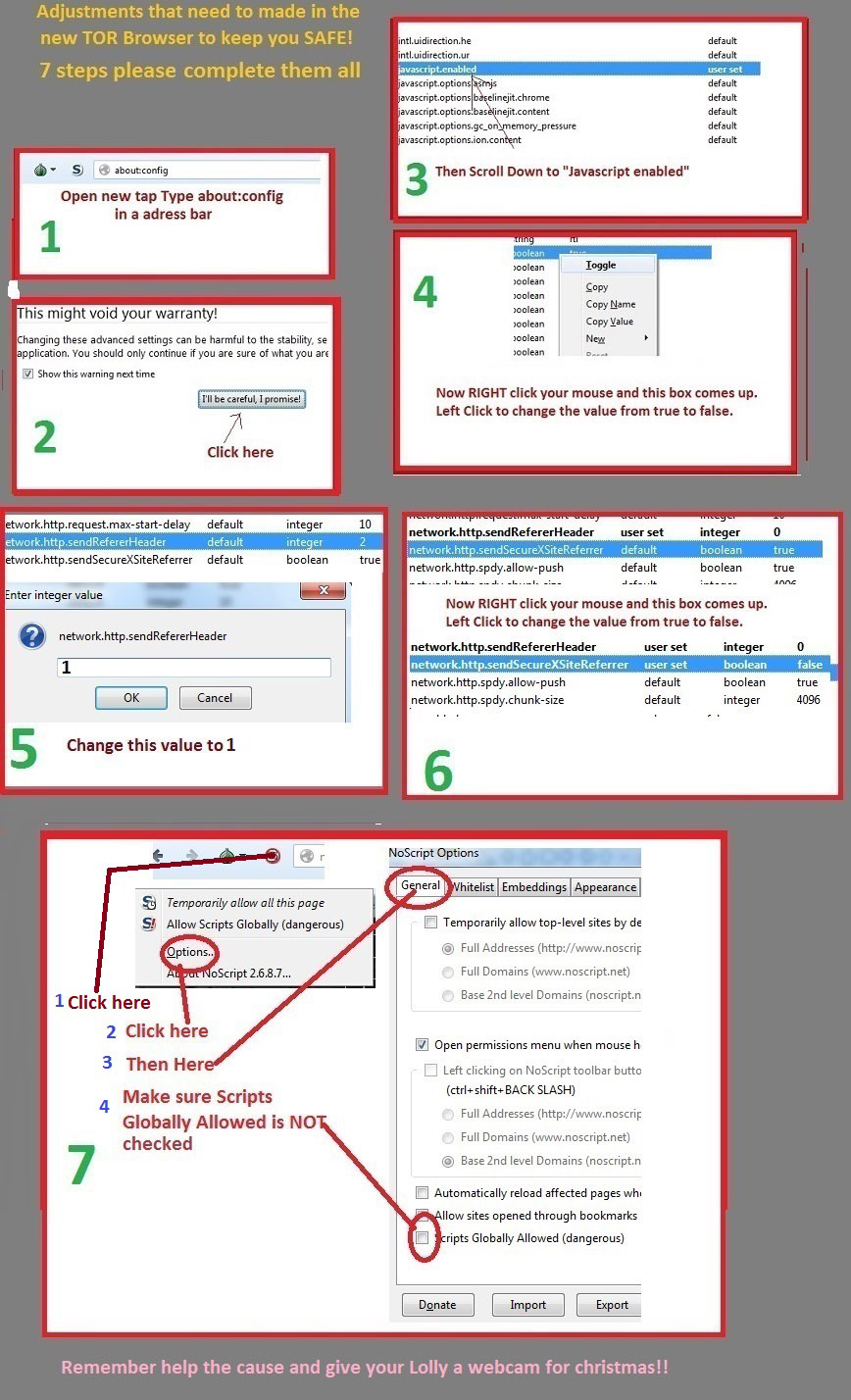


   MAKE PREVIEWS LINUX

             How to create video previews and contact sheets. [ Linux ]
How to create a video preview

You will need to download Video Cut. You can also find it in your software manager.

Once you have videocut installed find a video you want to upload, right click select "Open with videocut"


You should see this:


You can then tweak with settings and set how many frames you want and what not but for your first time using videocut just leave everything default and hit export:


From there you just save the file wherever you want
------------------------------------------------------------------------------------------------------------------------------------- -------------------------------------------------------
How to create a contact sheet

You will need to install gThumb. Find it Here, also Here, or search for it in your Software Manager. Most distros come with gThumb already installed though.

Once you have gThumb installed find a set you want to create a contact sheet with. Highlight all the pictures, right click, and select "Open with gThumb".
Like so:


It should open up gThumb with all your pictures. Go over to the top where it says "Share", click that, go down to contact sheet and hit contact sheet.
Like so:


This little menu should pop up. You can choose a header and a footer etc etc but I leave it all blank. It's really up to you, personalize it however you like. Choose the destination you want to save it at. Obviously save in your truecrypt container. You can also name it whatever you want.
Like so:


Now click the next tab ; "Layout". Where it says Images per page select "All images on a single page". Select how many columns you want, how you want to sort it [ I like by filename ], the size of each thumbnail [ I like 164 ], and you can select "squared" as well, and hit save.
Like so:


There you go, you just created a contact sheet


   MAKE PREVIEWS WINDOWS

There are many programs which you can use for creating Previews. For the sake of this tutorial we'll be using Xnview and Media Player Classic.

Xnview [http://www.xnview.com/] - is used for creating image contact sheets.
Media Player Classic [http://mpc-hc.org/] - is used for creating video contact sheets.

Firstly we'll be using XnView to create a contact sheet/preview

First Load up XnView and select the folder/pictures you want to create contact sheet for


When done select all the images and then click 'create contact sheet'; its circled in the image above


You will then have many options which you can change like dimensions and pictures on row/column and really should be self explanatory.

Once done click create.

Save the images via file save-as.

Congratulations you've successfully created an image contact sheet


To create a contact sheet for a video, open the video with Windows Media Classic, then click File and 'Save thumbnails' see below


Here you can set how many images you want on one row/column of the contact sheet.
Once done click save and voila you're done.

Here are the previews which I created while making this thread


You can upload live image previews at http://pedoluxipop5sxwh.onion/

To have them as live images in in your thread use [img] tags.


    HOW TO USE FILE HOSTS

General rules for uploading

  • NEVER turn on JavaScript if a file hosting website tells you to.
  • ALWAYS try and stick to currently approved file hosts as they have proven to be both safe and reliable.
  • ALWAYS check that your upload link works and that the file has the same size as the original before posting.
  • NEVER post the link to the upload page found in the address box. ALWAYS post the link provided by the file host as instructed below.

Helpful tips for uploading

  • If you are uploading a large file, It may be a good idea to split the archive into pieces no larger than 150 MB.
  • It may also be a good idea to upload to different file hosts, so that you won't have to re-upload all the parts when your host goes down. Don't put all your eggs in the same basket
  • If the file host doesn't accept .7z files, you can rename it to .rar: It will even be extractable without the downloader renaming it first.
  • The Asian file hosts all rename their files, but some of them support adding /n to the link to keep the original file name. This is especially helpful for split archives.
  • If a file host has a flie size limit of for instance 100 MB, it may be wise to upload even smaller parts, maybe around 95 MB, otherwise your file may still be rejected for being to big.


A step-for-step guide to upload for each host

http://1fichier.com/

Max file size: unlimited .7z allowed: Yes Requires DL/Delete pass: No Renames files: No

  • Click (any) one of the gray buttons that say "Browse" and select your file.
  • Click the small white button that says "Send".
  • When the upload is completed, copy the download link and paste it into your post.

http://acefile.net/

Max file size: 100 MB .7z allowed: Yes Requires DL/Delete pass: No Renames files: No

  • Click the big gray button that says "BROWSE" and select your file.
  • Click the big orange button that says "UPLOAD".
  • When the upload is completed, copy the download link (uppermost box) and paste it into your post.

http://aisfile.com/

Max file size: 100 MB .7z allowed: No Requires DL/Delete pass: No  Renames files: Yes Supports /n code: No

  • Click the small light gray button that says "Browse" and select your file.
  • Click the big gray button that says "Upload".
  • When the upload is completed, copy the download link (uppermost box) and paste it into your post.

http://fileforever.net/

Max file size: 1000 MB .7z allowed: Yes Requires DL/Delete pass: No Renames files: No

  • Click the small light gray button that says "Browse" and select your file.
  • Click the big gray button with red text that says "Upload Now".
  • When the upload is completed, copy the download link (uppermost box) and paste it into your post.

http://hipfile.com/

Max file size: 2000 MB .7z allowed: Yes Requires DL/Delete pass: No Renames files: No

  • Click the small light gray button that says "Browse" and select your file.
  • Click the big red button that says "Upload".
  • When the upload is completed, copy the download link (uppermost box) and paste it into your post.

http://home.puny.jp/

Max file size: 210 MB .7z allowed: Yes Requires DL/Delete pass: Yes Renames files: Yes Supports /n code: Yes

  • Select one of the servers on the right side of the page. They are listed in blue text and give the alternatives 30 MB, 50 MB, 80 MB and 210 MB. Use the smallest one available that fits your file.
  • WARNING - the one that says "(max500)" requires javascript and is banned.
  • Click the small light gray button that says "Browse" and select your file.
  • Just underneath this there are three boxes. In the bottom left, enter a Download Pass of your choosing, such as "L2TC".
  • In the bottom right box enter a delete pass of your choosing.
  • Click the small light gray button with Japanese characters to the right of the delete pass box.
  • When the upload is completed, copy the download link (beneath the text "URL") and paste it into your post.
  • When you're posting your link, you can add /n to it. Use http://ww10.puny.jp/uploader/download/xxxxxxxxxxx.rar/n instead of http://ww10.puny.jp/uploader/download/xxxxxxxxxxx.rar
    This will make the original filename appear when people save the file.

http://ichigo-up.com/

Max file size: 200 MB .7z allowed: Yes Requires DL/Delete pass: Yes  Renames files: Yes Supports /n code: Yes

  • Select one of the servers on the right side of the page. They are listed in blue text and give the alternatives 10 MB, 30 MB, 50 MB, 100 MB and 200 MB. Use the smallest one available that fits your file.
  • Click the small light gray button that says "Browse" and select your file.
  • Just underneath this there are three boxes. In the middle one, enter a Download Pass of your choosing, such as "L2TC".
  • In the right box enter a delete pass of your choosing.
  • Click the small light gray button with Japanese characters to the right of the delete pass box.
  • When the upload is completed, copy the download link (beneath the text "URL") and paste it into your post.
  • When you're posting your link, you can add /n to it. Use http://ichigo-up.com/Sn4/download/xxxxxxxxxxx.rar/n instead of http://ichigo-up.com/Sn4/download/xxxxxxxxxxx.rar
    This will make the original filename appear when people save the file.

http://japancup.jpn.org/uploader

Max file size: 120 MB .7z allowed: No Requires DL/Delete pass: Yes Renames files: Yes Supports /n code: No

  • Click the small gray button that says "Browse.." and select your file.
  • To the right of this, there are 5 white boxes. In the one furthest to the left, enter a Download Pass of your choosing, such as "L2TC".
  • In the box directly to the right of that, enter a delete pass of your choosing.
  • Click the white button that says "Up" to the right of all the white boxes.
  • When the upload is complete, you won't get a download link as with other hosts. Instead go to the main page and refresh it.
  • Your file should now appear on the list of files. You will recognize it by it's size, as it has been renamed to a generic name for this site. It should also be on the top of the list (or very close to it).
  • On the left, you will see your file named something like "JC 70xx.rar. Right click this and choose "copy link location", then paste the link in your post.

http://lui.li/

Max file size: 120 MB .7z allowed: Yes Requires DL/Delete pass: No Renames files: No

  • Click the small gray button that says "Browse.." underneath this text: >> File Hosting/Upload and select your file.
  • Click the small gray button that says "Upload File" right underneath the Browse button.
  • When the upload is completed, copy the download link (the big gray text beneath the text "Your file is now available for download via this URL:") and paste it into your post.

http://mightyupload.com/

Max file size: 4096 MB .7z allowed: No Requires DL/Delete pass: No Renames files: No

  • Click the small white button that says "Browse..." and select your file.
  • Click the white button that says "Upload!".
  • When the upload is completed, copy the download link located in the white box and paste it into your post.

http://share.az/

Max file size: .7z allowed: Requires DL/Delete pass: Renames files: Supports /n code:

  • coming soon

http://sharerepo.com/

Max file size: .7z allowed: Requires DL/Delete pass: Renames files: Supports /n code:

  • coming soon

http://tikuwa.net/

Max file size: .7z allowed: Requires DL/Delete pass: Renames files: Supports /n code:

  • coming soon

http://ume-up.ddo.jp/

Max file size: .7z allowed: Requires DL/Delete pass: Renames files: Supports /n code:

  • coming soon

http://up03.ayame.jp/up and http://up08.ayame.jp/up

Max file size: .7z allowed: Requires DL/Delete pass: Renames files: Supports /n code:

  • coming soon

http://up.karinto.in/

Max file size: .7z allowed: Requires DL/Delete pass: Renames files: Supports /n code:

  • coming soon

http://upfile.mobi/

Max file size: .7z allowed: Requires DL/Delete pass: Renames files: Supports /n code:

  • coming soon

http://uphere.pl/

Max file size: .7z allowed: Requires DL/Delete pass: Renames files: Supports /n code:

  • coming soon

http://uploadbaz.com/

Max file size: .7z allowed: Requires DL/Delete pass: Renames files: Supports /n code:

  • coming soon

http://xup.in/

Max file size: .7z allowed: Requires DL/Delete pass: Renames files: Supports /n code:

  • coming soon


>

     BE A GOOD SITE MEMBER

THINGS GOOD MEMBERS DO THESE THINGS Always give something back Post one gallery or video for every 5 you download. as a rough guide spend one day per month looking for content outside of your site/group So you can bring in fresh content Thank people Mods and Admin drive the pedo-web machine.It's often a thankless job 'Big posters' also deserve thanks.Let them know they are appreciated Help newbies Be patient,We all make mistakes and pedosites can be intimidating places. Participate in chats and discussions A lot of pedos need community support. Offer mentorship to those that seek (and deserve) it. pedo veterans have rich life experience to share.    GOOD MEMBERS DON'T DO THESE THINGS Litter topics with 'me too' comments like "hot!" and "more of that please!".It takes someone a lot of time to delete trash comments. Don't beg It sucks the joy out your pedo day to get begged for stuff. Don't ask for invites. You could hint,but a direct request is offensive. It's called an INVITE for a reasion. DON'T SPAM ! Spammers are total scum. Webmasters hate spammers more than anything in the world.   Don't hoard- it's not a death penalty offense but it leads to the loss of content over time.    Don't leech content-always contribute.   Don't lurk -when you lurk you provide cove for L.E.A. to infittrate your site. The L.E.A.lurk too you see.   Don't provoke people inta a fight    Don't make demanding requests like "when will you upload part 7 it's been 2 hours" People can be busy.2 request in a week are fine 2 requests in 2 days is harassment If a topic has two requests,maybe you shouldn't pile on more A polite PM is much better than public humilation   Don't pretend ,it pisses everyone off. Making stuff up is a problem too because other pedos learn from what you post. If it's bullshit then people can learn the wrong thing... not good. Be honest about it if you''ve never fucked a kid. You'll get plenty of respect for being an honest admirer. Pretending to be a cop or kid or Pedomom is a death penalty offence.


  CHATROOM ETIQUETTE

      ETIQUTTE MEANS 'MANNERS'.... YOU IGNORANT FUCK :)

GOOD THINGS Put a comment with the first pic Do this so people know what to expect and also they can know when you change girls. Name each pic if you know the girl- this is so easy and it helps people learn the names. Avoid littering the room with pic links By putting 2 or 3 pic links on the same line with a space between the links. About 2 lines in 10 should be pic links at most.If you post too many pics you will push all the CHAT off the screen.Image boards are better for sharing pics. Introduce yourself Tell the room what you like- what is your A.O.A. When you direct a comment at someone use'@' before their name like "@honestlove,me? is? fag?" it means your comment is for honest love but others can read it too as it's not in aprivate message. only type LoL if you really laughed. give people feedback, especially if they ask questions or ask for opinions. Talk to shy ones chatrooms often have guests who visit and say very little.These wallflowers will speak but they are shy. A friendly approach from you might get them involved in a discussion. This is a good idea because if they don't respond. to you or anyonelse a mod can kick Them out for lurking. Make it hard for the L.E.A. Things to avoid saying 'cos its' annoying. anyone got pics? anyone got videos? links? hello,hello,hello anyone there? more pics! even worse "post pics of 4 yo girl peeing please" "that's too young-older please" any one got any cp ? Things you shouldn't ask Where do you live ? What is your occupation ? How old are you ? can I have your e-mail,ph no. ? load yourself Things to avoid doing avoid posting links for content that you didn't load yourself.

     STRIPPING EXIF DATA

Sorry -no pics for this article yet.I hope the text helps anyway!
When you take a picture with Digital media it is likely that EXIF data is created and this can contain a lot of information about your camera model, shutter speed but most importantly your GPS co-ordinates. It is a must for all producers to remove it or you'll be tracked instantly.


You will need to download XnView which can be downloaded here

www.xnview.com/en/xnview/

First go to the directory of the file(s) you want to remove the GPS/EXIF Info from and open it. Select all the images you want to remove the metadata from and click select opened images(if your folder is too large to drag and select just click edit and select all)


Now go to File > Save as


You will now see options in the corner, so click that.


Now go to the tabs which are loaded in the image below and UNCHECK  EXIF(so there shouldn't be a check) and click ok and save the file ;p(The EXIF Also deletes GPS) with xnview.
Now these settings should be saved when you restart Xnview everytime so everything you save in XnView shouldn't save EXIF or GPS(Always check on startup)Now everytime you want to remove EXIF/GPS data from your pics


go to folder select all the pictures you want to remove t he gps and exif from(if your folder is too large to select just click edit and select all)


Go to File > Save Opened images >


now browse the directory for the 'Removed GPS/EXIF Pics'


click copy and voila!

In regards
in the folder I saved the pictures to the exif is removed


If the EXIF & GPS is not removed it'll look like this

As for GPS, it will have GPS in the corner as well as EXIF

    THE FROST GUIDE

Author: GLover

FROST: AN INSTALLATION AND USER'S GUIDE

Promised for so long, and finally delivered, here is my guide to using the amazing program known as Frost. Frost uses the Freenet network, and works like a simple message board. It contains a number of themed boards. Most active ones are for CP, which is good for us, and means that there is plenty of content to go around. Once set up correctly, it is easy to use, so let's get onto the basics, but before we do so, you will need to download and install Freenet first. I have written a guide for just that purpose.
---FREENET: An Installation and User's Guide


Downloading and Installation

Downloading

Frost is available from two places. It can be downloaded through Freenet itself:

USK@oyjm9tEWQ1fYbYDsBfJ017-ip9uTPzPLB52QHMduBIc,HE~wfG205QnSscK-U9FX7hAtGVkJg1~GRjkU1qkceTE,AQABAAE/frost/-1/

Or while you're on Tor, you may as well do it from here:

http://jtcfrost.sourceforge.net/

There is also a Frost Wiki if there are other questions you have which are not answered here, although i'll attempt to answer most of them pre-emptively:

http://jtcfrost.wiki.sourceforge.net/
https://wiki.freenetproject.org/Frost

Installation

You do not have to install Frost, just unpack the archive to wherever you like. It unpacks into a folder named "frost", and works from wherever you want it to. That's it. Simple, eh?


Getting Started

Loading

Before starting Frost, make sure you have Freenet running, and that you have enough connections (wait until it goes green). Once this occurs, you can enter your "frost" folder, and double-click the frost.jar file. Feel free to place a link to it somewhere handy. You'll see the loading screen appear as it sorts itself out, but within a couple of minutes, you'll be ready to go. If there aren't enough nodes available, you'll see an error message. If this occurs, just click OK, then once Frost loads, exit and reload it when you have enough connected.

Loading Screen: http://wuakd3inzzy5iz4w.onion/images/2bf77b05d78f3af71c90d805d7a1dff4.png
Error Message: http://wuakd3inzzy5iz4w.onion/images/d43a6695566b4c848dabb30a8d6bca9a.png

Adding Your First Boards

At first you'll only have a few boards available, which are the default ones, so you'll want to add boards to it. Before we get to that, i'll explain a little about the default boards. You can use these to ask questions about general safety, the workings of Frost and Freenet, and anything else which is off-topic (or on-topic) related, although if you ask about on-topic here, be prepared for the occasional bit of hate (what's new?).

If you want to access the on-topic boards, you can leave Frost running for several days for boards to appear (didn't happen for me over a couple of days), or you can cheat by downloading a list of active boards, which is updated monthly (or so). You can do this from Freenet with the following key:

USK@bQBL2ozw8Vj4NIv3AoE8Rhk9HwV1HuQH4rrnK~GkCOI,C~fzch9vg1vJZW9HJT6zjr2gp~N5NE0Gylc1Q83cMfw,AQACAAE/boardstats/236/

Download the activeboards.xml file through Freenet and save it somewhere. In Frost, you can import the .xml file, and it will add all the currently active boards for you to use. To do this, click the globe icon on the Frost interface, highlighted in the picture below:

Globe Icon: http://wuakd3inzzy5iz4w.onion/images/a86c0e1b99ca001661d35b7449c2af65.png

This is the "Display list of known boards" button, and all known boards will be listed here for you. Once you've clicked it, you'll see the following box appear:

Known Boards: http://wuakd3inzzy5iz4w.onion/images/f69a3902e26cd020ffa50ca74282a675.png

Click the Import... button at the bottom, and navigate to the location of the activeboards.xml file in the pop-up. Select it, and press Open. The list of boards will then be imported into Frost, but they are not yet usable. You will then need to left-click a board to highlight it, or use Ctrl+Left-click to add multiple boards, then right-click a highlighted board. Click Add selected board(s), and they will be added to the main Frost interface, ready for use. You can also choose to add the boards to folders in the main Frost interface with the Add selected board(s) to folder option (then highlighting the folder and clicking Ok), but you don't have any yet, so i'll come to making folders in a moment.

Close the known boards pop-up, and you'll see that the boards have added themselves to the left-hand column in the main Frost interface. If you click on one of them, you'll see that no messages have loaded yet. The longer you leave it, the more messages will load, but there is a strict limit to how many days back this goes, so you will have to now configure Frost to do this for you.

Configuration

You can do this differently to what i'm going to suggest, but the way below will be easier to adhere to until you know your way around. Open up the Options drop-down at the top of the Frost interface, and select Preferences. You will notice the following preferences box appear:

Preferences: http://wuakd3inzzy5iz4w.onion/images/21c91d8c0000390f1001d3f7102679f9.png

On the Downloads tab you can set the download directory, simultaneous downloads, default download priority (the same as used in Freenet), and other settings. It is better to keep these set to their default, although i'd recommend looking at the following settings:

Set download directory: May as well leave it unless you want files downloaded to a specific place.
Warn if a file has already been downloaded previously: Make sure this is checked.
Save files into a subfolder whose name is the board name: Make sure this is checked.

The Uploads tab is next. I'd recommend leaving all these settings at their default levels for now, but by all means play around with them if you wish.

The News (1) tab is where the ability to time travel comes in. Here you can change the settings for updating and days of messages to download, so check out the following to see what to set them at:

Number of days to display (15): 365
Number of days to download backwards (5): 360
Always download all days backward: Check
Automatic board update: Check

All other settings on this should be kept at their default levels, although again you can fiddle around here. You can set the number of days to display and number of days to download backwards at higher or lower levels depending on personal preference, but the days to display must always be higher than the days to downloads backwards.

The rest of the settings may as well be kept at their default levels, but there is one setting it is highly recommended to have selected. Go to the Search tab, and make sure the Disable filesharing option is checked. If left unchecked, it may open up a vulnerability for spammers, and as we are doing lovely yet naughty things here, we don't particularly wish for that to happen, so just make sure the option is selected. Other than that, you may change the color, the layout, and the fonts, so if the defaults aren't for you, go ahead and change them for fun. :)

I also recommend having a thorough look through the settings, so that you familiarize yourself with them. It's not overly important, but I find it helpful to know what things do, and understand how they work. You may find some interesting settings if you look closely.


Time To Play

Making Folders

Now that you've added some boards, time to put them into a folder so that they are sorted correctly. Go back to the Frost interface, and look to the left. You will see there the boards you've just added. Highlight Frost Message System in the left-hand column, and either right-click it, then select Add new folder (name your folder now), or just above the left-hand column in the same row as the globe icon, you'll see a folder icon. If you click that, it will do the same thing. Then you can just drag and drop the boards into it, or right-click the board name and choose the relevant option.

Updating Boards

The easiest way is to right-click the board you wish to update, then select the update option. Any board which is updating will be highlighted in a light gray color. You will notice that messages will slowly be added to each board over time, so it is best to leave it alone now, running away in the background. You can minimize Frost to your system tray by clicking the up arrow (^) icon to the right of the globe icon. It is then easy enough to restore it by right-clicking the Frost icon in your system tray, and selecting the option. Within hours you will have messages there, but over the course of a couple of weeks heavy usage, you'll find that most of the boards will have hundreds of messages in them, all full of wonderful delights of the flesh. :)

Creating an Identity

Before you delve into the messages, if you wish to respond giving thanks, make a request, post something, etc, you'll need an identity. You may skip this part, and go straight to learning how to download the material, but this section will be worth reading. A lot of identities there ignore messages from anon users, blocking them due to spam, and unless another identity responds to your message, many people won't see it.

To create an identity, at the top of the Frost interface, click on Options > Manage own identities, and in the pop-up box, select Create Identity. You may then type in whatever name you wish, no matter if it is the same as another identity, as Frost will assign a unique character string to the end of it so that it will be distinguishable to every other idnetity. It's advisable to create multiple identities here, each purposed for different tasks. You could have one for uploading on-topic material, and discussions in the cp material boards, another one for the pedo philosophy boards, and another for the off-topic discussion boards. It's up to you how many you have here, and how secure you feel. None of your identities will be linkable to any other, as their character strings are unique.

The other activity i'd recommend doing at this point is adding a signature for each identity. With the identity list open, just highlight your chosen identity, and press the Edit signature button, then you may type your signature, and press Ok.

Messages

If you highlight one of your new boards which has messages in, you'll notice that within 10 seconds, one of the formerly blank boxes on the right-hand side will fill with downloaded messages. Highlight a message, and you will see its contents appear in the empty box below it.

Messages: http://wuakd3inzzy5iz4w.onion/images/3cb5e11fe2393de6db23a8dbf52fddbd.png

The threads are listed by most recent OP, so although the latest response on a thread may be from six minutes ago, if an original post was made six weeks ago, it is likely that thread will appear way down the list. Most material is posted within the threads, with the poster pasting a file's CHK key, but some posts have attachments. Some of these attachments are boards (just the info needed to access the board), but most will be pictures or videos. Posts with attachments are denoted by their blue color in the top box.

Identity Trust

On the top box, you'll see a column labelled Sig, with anons marked as NONE, and identities marked as a yellow CHECK. This is the level of trust you have assigned to different identities. If you right-click a message in the top box, in the pop-up box you'll see options saying things like Mark user GOOD and Mark user BAD. Use these to mark not only the people you know post good quality (and clean) files, but also those spamming, so you do not have to view their spam. These options are also available in the icons immediately above the message list in the form of a sun and clouds.

As you become known, and post material to the boards, others will mark you as good as well, meaning they'll pay more attention to your posts, generally speaking, than to others.

Posting Messages

In the icons above the message list, you'll see, on the left, a closed envelope with an arrow on it. This is the reply button. To the left of that is an open envelope icon. This is the new message button. When posting a message, it won't appear immediately, as it has to insert itself into the cloud to then be downloaded by others, so don't worry if a response isn't immediate if you were expecting one. There is also an etiquette to posting, which i'll go into below.

When you click the reply or create message icons, a pop-up box will appear. In the top row are the Send message and Cancel buttons, pretty self-explanatory, but there are also Add attachment(s) and Add board(s) icons, which will allow you to attach files and boards directly. Just browse to the file/board you wish to attach if this is the way you are doing it, or wait until a little later to see how to upload correctly, so that you may add the CHK key directly to the message body. To the right of these icons is a check box. Clicking this transforms the public message into a private one, and it is encrypted only for the person you send it to. Once this box is checked, you can use the dropdown to the right of it to select the recipient.

Below these icons are three rows. The first is the board you are sending the message to, which cannot be changed. The second is the identity you send it as. This dropdown can be clicked to change identity. The last is the subject, which must be filled if you don't want people to berate you for not doing so.

Underneath everything is the message body. It will appear containing, from top to bottom, every post previously made in that thread, so you may want to delete these, although it isn't essential. At the bottom of the text box is the id of the identity you are posting as, a few lines, and then your signature if you have one. Between your identity and your signature, just type your message, and once finished, send it off into the aether.

Etiquette

1. Always add a subject to your messages if not replying (automatic).
2. Write clearly, and in English, which is the de facto language of most boards (check for French, German, and other language boards).
3. Be polite, and don't beg for files. If you ask nicely, people will be more likely to help.
4. If requesting, attempt to insert a sample for people to look at, or attach one.
5. If sharing, always include previews, which will be one picture from a set of pictures, or a thumbnails picture for a video.
6. If sharing, let others know if the file has fully inserted or not.
7. Before requesting or sharing, see if it's been uploaded already by using the search feature.

Most of it's common sense anyway, but the above should set you out nicely, and make your introduction to messages smooth and easy.

Searching

The search feature is quite powerful, and I highly recommend using it to find what you want first. To the right of the globe icon is where you will find it, masquerading as a magnifying glass on top of a sheet of paper. Once clicked, take a look through the pop-up and its tabs to familiarize yourself with it. There is the main search tab, where you can search by keyword in Sender (identity), Subject, and Content (message bodies), although if you fill any of these in, remember to check the box to the right of the row. You may also search in different types of messages using the check boxes below this.

On the boards tab you can search by board. If you wish to search in a specific board, just select the Search following boards option, and click Choose boards... The Date, Trust state, and Attachments tabs are self explanatory, but i'd leave the Archive tab alone and at default options.


Downloading

Downloading Material

If you wish to download a file, just right-click it and select one of the Download... options from the pop-up. You have the option of either downloading just the one file, all the files in that message, or all the files from the entire thread, the latter option being especially useful for threads with multiple files (eg - Candydolls, LSM, etc). Once you have selected your option, you'll get a pop-up box listing all the files. You can click one of the buttons on the bottom left of this to remove those files you've already downloaded, and excellent feature. You can also highlight one or multiple files and right-click them, which allows you to set their download priority (NEVER SELECT 0!), remove them, set their download directory, rename them, or add a prefix to them. Once you have done this, click Ok on the bottom right, and it will be added to your download queue.

Downloading attached files is the same. Highlight, right-click, download. Simple.

Downloads Tab

You can view and manage your downloads from the Downloads tab on the Frost interface. Once you've added several downloads, click to view the tab, and you'll be faced with a list of files sorted into two or three main categories: Waiting, Downloading, and Finished. Depending on the settings you used for concurrent downloads, and on the number of files you've added (I added 100 within my first hour lol :) ), you should have a mix of the first two at least, and maybe one of the last (Finished). Files in the queue are colored gray/white, files downloading are orange, and files finished are green. You can view their progress here quite easily, as it gives that as a percentage in the Blocks column. There are a number of features available on this page, which i'll go through now.

Downloads: http://wuakd3inzzy5iz4w.onion/images/ddda887fa1e1ef55e2662bc84fc8374d.png

The icons at the top allow you to set download directory for specific files, add a prefix to files, and copy keys in your clipboard (previously copied from a message). If you select any of the downloads, or ctrl+left-click a selection of them, then right-click them, you can copy the information on those files, change the priority, force files into Downloading status, and even view the message they came from if you've forgotten what the file is. That last feature is handy for those of us who like categorizing. In the Downloads screenshot, you can see a number of files in the list, with their keys, download directories, and an information window showing when a file was first added to the queue, which is brought up by hovering over a filename. There's really not a lot to it, but there is one last thing to explain.

Once a file is finished downloading, it will remain in the queue until removed. If you have your Freenet browser open as well, you'll see on the Filesharing tab that these files are there also, in the global queue (left checked in the settings in Frost - see above). You can remove finished downloads there, but as we're talking about Frost, i'll explain how to do it there. When right-clicking a file, there are two options shown for removing the file: Remove selected downloads, and Remove from global queue. Remove from global queue does exactly that, in that it removes the file(s) from the global queue. This should be the first option you use, as it will keep you downloads list in Freenet clean. The other option, Remove selected downloads, will remove them from the Frost downloads list. This is another trick to keeping things neat and tidy. I can assure you that it's no fun suddenly finding you have over 200 completed downloads, as you have to scroll through them to get to other files.


Uploading

Uploading Material

Although you can upload material through Freenet itself, if you wish to keep everything within Frost, you can do so. This is where the Uploads tab comes in handy. If you select it from the Frost interface, you will see a blank page with a few buttons. The icon is pressed to browse to the file you wish to upload. Once selected, find the file(s) you wish to upload, and select Open. In the pop-up box, you'll see the file(s), its/their path, size, priority, etc. If you right-click the file, you can rename it, add a prefix, change its priority (NEVER SELECT 0!), and remove it. I wouldn't recommend changing the compression or compatibility settings. Just leave those as is.

Once the file is in the list right-clicking it brings up yet more options, allowing you to copy its key/info, enable/disable downloads, and start/cancel downloads. As with the downloads list, you have a limit on how many files you can upload at the same time. These options will allow you to force a higher number of uploads until the current uploads number drops to that set in the Preferences menu.


Backing Up

Simple Method

The simplest method for backing up everything in Frost is to copy the entire folder. As it only unpacks, and does not need to install anything, this would be the preferred method. What I need to remind you of in this scenario is that if you have all your downloads going to Frost's internal downloads folder (it's in the main frost folder), you'll be copying all those as well, which may cause you issues if you have limited space in the back-up's destination. This is easy to circumvent, however, as you need only to create a frost folder at the destination, and copy everything inside the original frost folder except the downloads one.

Bit By Bit Method

This is the long way to do it, but if you ever need to "reinstall" Frost for some reason, it's the only way. I'll split this into sections to make it easier to understand:

  • Your Identities - Go to Options > Manage Own Identities, and select Export into XML file. Name the file, and save it somewhere safe. Do not let anyone lay their digital hands on this file, as if they do, they can quite easily impersonate you.

  • Trusted Identities - You can also back up the levels of trust you've given other identities. Go to Options > Manage Identities, and select Export. Name the file, and once again save it to a safe location.

  • Individual Messages - Individual messages can be saved by highlighting them individually and selecting the Save message icon immediately above the message list. Browse to wherever you wish to save it, and name it anything you like, but if you add .txt to the end of it, or a similar text file suffix, you'll be able to view it in Notepad or Notepad+. This method is especially useful for saving information you want to keep.

  • Mass Messages - At the moment I know of no way of saving them en masse, but I have a question pending an answer on this on one of the boards on Frost, and shall fill you in as soon as I get a response. I've looked through the folders, and the nearest I can see to an actual file on this is in the store folder in the root of the frost folder. In this there are messageArchive.dbs, messages.dbs, messagesContents.dbs files, among many others. I believe saving this entire folder will safely save every message and identity without the need to go through the above, but until I get the answer to my question, i'll never know for sure.
Archiving Old Messages

There is an option in Frost to archive older messages, as in those who go past the Number of days to display (15) option spoken about way above. In Options > Preferences > Expiration, there is an option called Number of days before a message expires (90). This is set to 90 as a default, and of the options below, Keep expired messages in keypool is selected. This means that once a message is 90 days old, it will still be diplayed in Frost, but depending on the setting for days to display backwards, may disappear. If you set Number of days before a message expires (90) to one number higher than the days displayed number, then set the option below to Archive expired messages, this means that all messages not being displayed will automatically be archived for you.

I've not used the message archive before, as all the old messages i've downloaded, but are not shown in Frost, are still there in the files. It's just that you cannot see them. Personally, i'd recommend leaving this whole tab alone, as I recommended above. It's all up to your personal choice.


       PHOTOSHOP PREVIEW

Photoshop has a great automated preview that lets you make the preview any damn way you want. You can use this automation to make previews that you can later add text and pics to after you have saved it the first time.( if you save it as .ps format) So for example you find 3 new pics and also want to add an explanation, you can do that easily. Here I show you the basic preview saved as a jpeg that you can upload with a filehost. You can't upload .ps format pics usually so keep in mind that when you save a pic as .ps you are doing that in order to be able to change it later on in Photoshop.

       (LINUX ONLY) Removing metadata from vids

You will need those commands: Code: cd .. Move back one directory Code: cd 'xxxxx' Change directory to xxxxx Terminal is Case Sensitiv, if a Foldername is 'Vids', don't type 'vids' Example(moving to 'truecrypt1' in Tails Terminal to check 'Gina.MOV':) open Terminal: type 'cd ..' -> hit enter , do this again until you can't move back through the folders anymore type 'cd media' type 'cd truecrypt1' You want to check exif/metadata of a Video named 'Gina.MOV' inside this folder? (install exiftool first). type Code: exiftool Gina.MOV How to remove the Data from a Video Install ffmpeg:( in some distributions ffmpeg has been removed for the fork libav-tools and the command is "avconv" instead of "ffmpeg", the usage is however the same) Code: Select all sudo apt-get install ffmpeg Strip Metadata from 'Gina.MOV': Code: ffmpeg -i Gina.MOV -vcodec copy -acodec copy Gina-clean.MOV IMPORTANT! the Ouptputname (Gina-clean.MOV) has to be different from the Original (Gina.MOV) or it will be destroyed!!! IMPORTANT! Do not forget to add "-vcodec copy" and "-acodec copy". And do not use anything else than "copy".If you don't, your vid will be re-encoded and the quality of the new vid will be lower!!!

WINDOWS security advice by a true master

A reasonably comprehensive guide to making Windows (XP, Vista & 7) as safe as possible. Windows is as safe as other OS's for using Tor and viewing cp. The security exposure and what will get your ass hung out to dry comes from the amount of meta-data and "hidden" data Windows records about what you've been doing if you collect and keep cp. Windows has many security issues and really shouldn't be used for on-topic material however, I know many people are going to use it anyway. This guide will help in configuring and maintaining your system for secure use. These guidelines are for Windows XP, Vista and 7. They will work for Windows 8 but, I have no idea what other security backdoors MS has built into 8. I believe 8 is generally safe in spite of all the hype to the contrary but, I haven't worked with it enough to be sure. Side note - If you happen to be running Windows Server 2003 on up it works with those too The methods do not address potential exposures that can happen from unsafe programs you might use. It only minimizes OS forensic analysis threats. - Windows keeps many tracks of data creation, movement, deletion etc. of all user data on your system. Names and date/time stamps of every folder created/viewed is stored in the Registry (ShellBags) as are lists of recently (and not so recently) used files and programs. Some of this is stored elsewhere too by different programs. -Information on the contents of removable storage devices that were connected to the computer in the past and the same information of encrypted volumes that were mounted is also stored in Bags. -Thumbnail images of every picture you look at or even see only as icon views in explorer are kept in special files (XP and Vista/7/8 do it in different ways) - Windows makes shadow copies of files and folders when changes are made (so you can "restore to a previous version".) [does not apply to XP or 8] - The pagefile (swap file) may hold partial or complete copies of images - Lists of commonly used programs are stored so Windows can preload them in anticipation of you using them (prefetch, superfetch.) - Registry backups are made automatically. - Remote Assistance keeps some log data. - Sleep and hibernation mode create copies of live data (separate from the pagefile.) I'll cover 3 situations. PART A: Wiping hard drive and re-installing on an encrypted partition. [Windows 8 not supported, not easily anyway] 1 - Backup all data, programs (install files) and anything else you want to keep. 2 - Use a program such as DBAN (dban.org) or a pgm that uses the SATA zero sector command to erase the drive. [there is no need for ridiculous settings like 35 passes. One pass is completely sufficiant] 3 - Have a copy of Truecrypt 7.1a available. (https://www.grc.com/misc/truecrypt/truecrypt.htm; Linux and Mac versions available here also) 4 - Do a fresh install of Windows. 5 - Run Truecrypt according to instructions to encrypt the entire boot partition (this will probably be the whole drive.) [see part B:-1 for picking encryption levels] During setup you will be prompted to restart your system and it will ask for the Truecrypt password to verify everything is good and boot will proceed normally from there. 6 - Restore all your data. You are fully protected from forensic analysis of the hard drive and many precautions outlined for the other methods below are not necessary but, you may want to implement some of them anyway. If you are investigated it will be obvious you're hiding something but, that's just the way it is. [In some jurisdictions you may be legally required to surrender the Truecrypt password. If you don't you will be tortured] Truecrypt has the ability to encrypt full partitions without data loss so you could try that (I haven't tested it) but, I'd backup just in case. Note: It's possible to run Truecrypt before installing Windows and then restore but, it's much easier to do it the other way. PART B: Starting with a clean operating system (you've never downloaded or stored cp) and using encrypted containers. 1 - Run Truecrypt and create a standard container according to the instuctions. Choose your encryption and hash algorithm, they are several. The more complex the one you choose the more of a performance hit there will be. Personally I think regular AES or AES-Twofish and Whirlpool hash is plenty. It's up to you. If you want plausible deniability read about hidden containers and use them. 2 - Install and keep everything cp related, including the Tor browser folder and programs on the Truecrypt container. 3 - Turn off Most Recently Used lists: Right click the Task bar and select "Properties > Start Menu". Uncheck the Privacy boxes. 4 - Disable registry Bags updates (this can be done via registry edits but, it's different for XP & 7 and not for someone who isn't comfortable doing edits. You can blow things up badly in this part of the registry (and about a thousand other places too.) If you are ok with it: For Windows Vista & 7 (and 8 afaik), these keys: HKEY_CURRENT_USER\Software\Classes\Local Settings\Software\Microsoft\Windows\Shell\BagMRU HKEY_CURRENT_USER\Software\Classes\Local Settings\Software\Microsoft\Windows\Shell\Bags -- for 64 bit, these also HKEY_CURRENT_USER\Software\Classes\Wow6432Node\Local Settings\Software\Microsoft\Windows\Shell\Bags HKEY_CURRENT_USER\Software\Classes\Wow6432Node\Local Settings\Software\Microsoft\Windows\Shell\BagMRU For Windows XP, these keys: HKEY_CURRENT_USER\Software\Microsoft\Windows\ShellNoRoam\BagMRU HKEY_CURRENT_USER\Software\Microsoft\Windows\ShellNoRoam\Bags Open the Registry editor and delete all the subkeys under these keys (they're numbered 1,2,3, etc..) In the Navigastion Pane right click each Bags & BagsMRU key and set permissions to "Read" for everybody including the System. Now, if you don't want to go thru all this there is an easier way. Get Privazsor's "Shellbag Analyzer & Cleaner". It will find and securely clean these dangerous keys quickly and easily. It can be setup to run automatically. The downside is the data will still get recorded and you'll have to run SbAC frquently. This is not so bad as it only takes at most a couple minutes. privazer.com/download-shellbag-analyzer-shellbag-cleaner.php 5 - Disable thumbnail generation. If you don't have Windows Pro or Ultimate you have to edit the registry to fix this. If you do have one of those you can use the Group Policy editor (Google to find out how, if you're a Pro or Ult user you should know about gpedit.msc.) Manually edit keys: Change the values of the following keys. If they don't exist create them. Or, you can copy/paste everything between the lines into a .txt file and rename the file to "thumbs.reg" and just run it. It will set them for you. -------------------------------------------------------------------------------------------------------------------------- Windows Registry Editor Version 5.00 [HKEY_CURRENT_USER\Software\Microsoft\Windows\CurrentVersion\Policies\Explorer] "NoThumbnailCache"=dword:00000001 "DisableThumbnailCache"=dword:00000001 [HKEY_LOCAL_MACHINE\SOFTWARE\Microsoft\Windows\CurrentVersion\Policies\Explorer] "NoThumbnailCache"=dword:00000001 "DisableThumbnailCache"=dword:00000001 [HKEY_CURRENT_USER\Software\Microsoft\Windows\CurrentVersion\Explorer\Advanced] "DisableThumbnailCache"=dword:00000001 "NoThumbnailCache"=dword:00000001 [HKEY_LOCAL_MACHINE\SOFTWARE\Microsoft\Windows\CurrentVersion\Explorer\Advanced] "DisableThumbnailCache"=dword:00000001 "NoThumbnailCache"=dword:00000001 --------------------------------------------------------------------------------------------------------------------------- 6 - Shadow copies of volumes: This is pretty easy. In the "Run" box type "services.msc" and hit enter. Scroll down and look for "Volume Shadow Copy". Double click it, stop the service then change "Startup type" to Disabled. Close the services window. This will also stop automatic Registry backups. In fact, it will prevent Windows from making registry backups regardless of how hard you try. I suggest you get ERUNT for registry backups and create those backups on your encrypted drive. www.majorgeeks.com/files/details/erunt.html 7 - Pagefile: Get enough memory and don't use one! 3 GB for 32 bit or 4 GB for 64 bit. This will actually provide a performance boost too. In the "run" box type "SystemPropertiesPerformance.exe", hit enter. On the "Advanced" tab under "Virtual memory" click "Change" then select the C: drive (or whatever your boot partition is) and check the "No paging file" option. Click "OK" then "OK" again on the main Performance options window. This will not take effect until you reboot the system. ************************************************************************************* If you must run a pagefile (foolish) run the registry editor and set the following key. HKEY_LOCAL_MACHINE\SYSTEM\CurrentControlSet\Control\SessionManager\Memory Management Right click on "ClearPageFileAtShutdown" and change the value from 0 to 1. This will overwrite the pagefile with zero's during normal system shutdown. ************************************************************************************** 8 - Disable Prefetch & Superfetch: You have to do this in the Registry also. HKEY_LOCAL_MACHINE\SYSTEM\CurrentControlSet\Control\SessionManager\Memory Management\PrefetchParameters Right-click on both EnablePrefetcher and EnableSuperfetch Select Modify on each of these to change the value from 1 (or 3) to 0 Change will not take effect until you reboot [Note: for SSD users this is a slight boot-time performance boost] Or, copy/paste everything between the lines and save it to a .txt file and rename to prefetch.reg and run it. ------------------------------------------------------------------------------------------------------- Windows Registry Editor Version 5.00 [HKEY_LOCAL_MACHINE\SYSTEM\CurrentControlSet\Control\Session Manager\Memory Management\PrefetchParameters] "EnableSuperfetch"=dword:00000000 "EnablePrefetcher"=dword:00000000 ---------------------------------------------------------------------------------------------------------- And also, in the "run" box type "services.msc", hit enter. Scroll down to "Superfetch" and double click it. Stop the service and set "Startup type" to "Disabled". 9 - Disable Windows Search: Windows creates a hidden index of all files on your system if you leave this on. In the "run" box type "services.msc", hit enter. Scroll down to Windows Search and double click it. Stop the service and set "Startup type" to "Disabled". 10 - Disable Remote Assistence: In the "run" box type "sysdm.cpl", hit enter. On the "Remote" tab uncheck the "Allow Remote Assistence" box. Under "Remote Desktop" select "Don't allow..." Click "OK". 11 -Disable Sleep & Hibernation modes. In the "run" box type "cmd", hit enter. At the command prompt, type "powercfg.exe /hibernate off" (without quotes), hit enter. Type exit and hit enter. Your system is now pretty good. PART C: Starting with a "dirty" system. Ok, you've been downloading pretty little naked girls (or boys) and after hanging out at a forum learned just how fucked you'd be if the cops ever seized your PC. You can't wipe and reinstall everything because you don't really know how or you just can't for whatever reason. This section is about cleaning everything up and then you would go to Part B: You will need three software tools: CCleaner - www.piriform.com/CCLEANER Privazor - privazer.com/download.php Auslogics Disk Defrag - auslogics.com/en/software/disk-defrag/ 1 - Securely delete any cp you currently have on the system (back it up first if you want but, it needs to be cleaned off for now. You can restore it to the encrypted container later. 2 - Go thru every folder you had cp in and securely delete any "thumbs.db" files you find (XP only) 3 - Empty the Recycle bin. 4 - Running CCleaner: From the main menu go to "Options". Select; "Secure file deletion", "Simple Overwrite", "Wipe Alternate Data Sreams", "Wipe Cluster Tips". Set "Wipe Free Space" to your boot partition. Go to "Cleaner" (left side at top.) Accept the defaults then click "Analyze" then "Run CLeaner" when the analysis is complete. Go to "Registry". Click "Scan for Issues" then "Fix selected issues". When it asks if you want to backup changes to the registry select "No". At the next prompt click on "Fix All Selected Issues", then "Close". Exit CCleaner 5 - Run Privazor: When you install Privazor it will ask if you're a standard user or advanced. Unless you know what you're doing pick standard (or regular, something like that). Run thru the install questions and then review the run parameters and make sure the one to scramble old/unused MFT entries is set. Run a Deep Scan then the clean up option. 6 - Running Auslogic Disk Defrag: Select your boot partition. Select "Defrag & Optimize" from the drop down menu. Walk away for awhile until it completes. It will let you work on the system while it's running but, I strongly advise against it. [Caution: Don't ever run a disk defrag tool on a Truecrypt partition. It will destroy all the data.] 7 - Run CCleaner again: Go to "Tools" (left side.) Click on "Drive Wiper" then pick "Free Space Only" from the drop down menu (this should be the default but, MAKE SURE!!) Select the boot partition. click "Wipe" then walk away again - this is going to take awhile (depending on how much free space there is.) [A word of caution, don't ever run a disk defrag tool on a Truecrypt partition.] You're done here. Now go do everything in Part B: MAINTAINING YOUR SYSTEM: For users of Truecrypt containers only. [If your entire system is encrypted you don't need to worry about this.] Run Privazor on a regular basis. There should be very little, if anything, incriminating it would find but, better safe than sorry. Run Privazser's "Shellbag Analyzer & Cleaner" after every time you've been looking at the good stuff. Dismount the Truecrypt encrypted container(s) first (it won't hurt anything if you forget but, it doesn't need to be mounted and, if it is, there's an additional configuration option that must be set.) ********************************************************* ********************************************************* Security precautions for some Windows applications: Winrar and 7Zip - THIS IS VERY IMPORTANT Extracting files from .rar & .7z archives. It's important to use ONLY the "Extract" function when unpacking Winrar or 7Zip. If you open an archive and then double-click or drag-and-drop (to the target folder) the encrypted file a tempory copy will be created (in your default temp directory.) The application used for the file (image viewer or video player) then opens the temp file or the temp file is copied to the target folder. Once the operation (viewing or copying) is complete Winrar/7Zip deletes the temp file but, it is NOT a secure delete and a potentially recoverable file is left on your system. VLC Media PLayer: Disable recent file history. Tools > Preferences > Interface > Save recently played items (near the bottom of the parameter list). MPC-HC [Media Player Classic - Home Cinema] Disable history tracker. View > Options > Player > uncheck all boxes in "History" (lower right) GOM Player: - two settings must be changed to disable history. First: Preferences > General > uncheck "Add videos with similar names to playlist" Second: this parameter works "backwards", put a check in the box to turn tracking off. Preferences > Others > "Don't save/show recently viewed files" Irfanview Image Viewer Disable recent file history. Options > Properties/Settings > Miscellaneous > uncheck all 4 boxes for recent files/folders.


How to embed images in posts.

Many sites these days do not provide for direct attachments in posts. It's easy to put live previews in though. this list below is current as of december 2015 Attaching images takes just 4 (or less) simple steps. 1: Upload the image to an image host. There are several good ones (image hosts may go bad and new ones may become available, this list is not comprehensive. [see your sites list of "recommended and banned filehosts" for the most current image hosts] https://www.anonimg.com/upload.html - for anonimg use the link labeled "Direct Link:" and add img tags http://www.pic-upload.de/ - for pic-upload use the link labeled "Direktlink f�r Originalgr��e (Hotlink):" and add img tags http://picdump.ru/ - for picdump use the link labeled "BBCode:" and do not use img tags. This will display a "clickable" thumbnail that opens a new tab with the full size image. http://www.pixhost.org/classic-upload/ - for pixhost check the "Content type Adult (XXX)" or the upload will fail and do not use img tags, instead use the link labeled "Forum thumbnail:" This will display a "clickable" thumbnail that opens a new tab with the full size image. http://postimage.org - for postimg do not use img tags, instead use the link labeled "Forum BBCode (1)" This will display a "clickable" thumbnail that opens a new tab with the full size image. http://www.gulfup.com - for gulfup you can use the first link {labeled - ???? ????????? } without img tags or the third link {labeled ???? ?????? ??????? } with img tags. Both will display a full size image. Onionweb Imagehosting (http://fqh5q66lyy4i56qi.onion) - for Onionweb use the only link provided and add img tags How to add BB code "img tags" 1a: After the image uploads, links to the image will be displayed. 2: Select the correct link for the host (as specified above) and copy/paste that link into your post. 3: Put this bbcode pair "[img] [/img]" around the link so it looks like this: [img]http://xxx.123456.jpg[/img] 4: Click the preview button to verify everything looks right then post away. Tips for large images Host links that are not clickable thumbnails will display images full size. For a big image it can make viewing difficult to impossible. Please consider resizing image down to around 600 - 1000 pixels wide. Easily done with most picture viewers like irfanview. If you're posting just images (like on the chan boards) you can upload full size copies to the image host in addition to the resized image you want displayed and post that link without img tags so members can click on it to display the full size image in a new tab.


how to compress files-password protect and encrypt

One of the best recomended methods of Password Protection Encryption is with using 7zip ( 7ip dot the org ! ) Try using DuckDuckGo in the search for 7zip via Tor Onion : http://3g2upl4pq6kufc4m.onion/ Unlike some other compression password protection methods 7z can password protect the whole folder and not just the contents. In other methods even though its Password Protected you can still view the File Names ... So for EG. Mommy Sucks Baby Dicks is going to be a little bit too obvious by anyone viewing it even though they still dont have the Password to Open it... ! This would probably explain why so many Upload File Links in Clearnet are no longer available, You dont need to be Einstein to work that one out.. Yes ! The Upload Hosting Site has deleted it ! and rightly so its the Clearnet where children should be able to surf safley and not the Anonymous Deepnet where Fantasy can be expressed far more securly ... and it is Fantasy just as Play Pen is and No More or less than that. Tor Onion has its own Uploading Hosting Sites there is no need to use Clearnet and the more people who use them in Tor Onion the more will come available as the Supply will then meet the Demand. Large Files/Folder Hosting - Uploader Version 1 : http://nk3k2rsitogzvk2a.onion/ Single Image Hosting - Magic Cockenz : http://cockenszpccgncsd.onion/ Single Image Hosting - Matrix : http://matrixtxri745dfw.onion/neo/uploader.php How to ... For Multiple Files : Mulitple Images Sets etc or Larger Files as in Vids & Clips 1. Create a Folder then click in that same folder you just created and create another Folder again. So now you have the basis of a Fully Encrypted / Double Locked Folder 2. In the last Folder you created put all your Image Sets & or Vids / Clips. 3. Rename that same folder 'New Folder' to something ambiguous eg. Cookery Books or Easy Listening Music or anything non generic like that. 4. Rename the other folder (don't forget you've got a double folder holding your files) 'New Folder' to whatever you named the other folder above in step 3. The basis of a Double Locked Folder 5. Right Click The Folder that is holding everything scroll down to 7-zip then ... Add to archive... See attaced 7zip image below 6. Tick : A. Encrypt file names B. Compress shared files C. leave the Archieve format as the default 7z 7. Encryption : Enter Password : Enter a Password something totally ambiguous with both lower & Upper case and symbols anything less than that will and can be very easily cracked depending on how simple you had made it. Don't use this one but as a good example : *#5-Gtr&938!?745/<>$%HuCjP#* 8. Right Click the New 7z file thats just been created for you and change the .7z to .rar for Uploading to Uploader v0.01 see link above 9. In the Tor Onion Uploader Hosting Site presently v0.01 (there will be in future updated versions) Browse to add that Password Folder you've just created 10. Enter a DLKey (1-8 characters): Again more complicated the better ideally and enter that same DLKey again in the other blank box. 11. Enter a non ambiguous comment as a referance for yourself if you really need to, just in case you need to search for it at some point in future. 12. Click Upload 13. Once Upload is Complete you will get the Link Hosting Address : h**p://nk3k2rsitogzvk2a.onion/data/file****.rar.html 14. If they are shared files for Play Pen to make it easyer for you. Simply make a note of the DLKey Password that is needed to access that file in being able to download. and your File Encryption Password you created as in step 7. Show them in your Signature that can be found in your above : Profile / Forum Profile / Signature: Yep it sounds like a lot but much better to upload once securly into Tor Onion than to upload into Clearnet and later find its been deleted and you have to either keep updating that uploaded link or simply not bother in the end and end up with a load of Posts that have Dead Links in them everywhere... Apart from the obvious of not having content accessable by others in Clearnet/Internet especially by Children it is far more responsible to use the existing TorOnion or Darknet/Relaynet irrespective of content.


TORCHAT howto

How To Chat As Safe As It Can Get For Noobs Why is TorChat the safest bet on the net to talk on topic with your fellows? - TorChat uses TOR hidden services for communication. So, nobody is able to locate you while chatting. - TorChat end-to-end-encrypts everything (chats and files) you send from one point to another. - If you keep your hidden service credentials safe, nobody is able to establish something like a man in the middle attack or such. Why should I use TorChat to talk on topic with my fellows? - It's the safest bet on the net. See above. - I can chat as safe as possible about any topic. - It's not only popular in our fellow pedo circles but also well known and used by leakers, terrorists and other people who like to keep things secret. - If I plan things like that, I can exchange my verification pics as safe as possible. Ok, let's get our hands dirty now. Guess I said that already: Never! fetch TorChat from another location than authors github repository! But now, as you like to try it, just do it. Go to https://github.com/prof7bit/TorChat/downloads and fetch the latest version. As of this writing it is https://github.com/downloads/prof7bit/TorChat/torchat-windows-0.9.9.553.zip If you're adventurous, you can grab you the pidgin-plugin, but I won't go deeper on it here. You're on your own then. (though it works) Unzip what you're fetched anywhere you like. Guess, as it runs perfect in portable mode, best idea is to put it on an encrypted usb-stick. You get three folders. bin, doc and src. In doc you will find some useful information for advanced usage. In src you'll find complete source code of the application. Just for regular usage you can waste both of the folders. The folder of interest is bin. In vanilla state there is the torchat.exe application inside, an empty file portable.txt, a subfolder Tor containing the Tor-client and a preconfigured torrc.txt and an icons-folder containing the application's icons. If the file portable.txt is present, torchat will run in portable mode. Means it will store all it's configuration and temporary files in same place where the application itself resides We want exactly this behaviour! So, we're ready to take off. Just doubleclick the torchat.exe. What you get is an almost empty window, containing a puppet-like icon asided by your brandnew torchat id and the word myself in brackets. On start it's just a white icon. You have to wait now until a two-way communication circuit is established. Even to yourself. If it gets stable the icon becomes green. Doubleclick yourself and try to chat with yourself as a first test. A rightclick into this window gives you a menu full of options. Different, if you rightclick on a contact or in free window space. Guess the most interesting now is 'Add contact...'. 'Cause there is no torchat-room anywhere we could connect to. Torchatting is all one on one, and to be able to torchat with someone, at least one of the two parties needs the torchat id of the other. If you have it it's straight forward. Click 'Add contact...', paste the id in appropriate field and click ok. If the circuit establishes and your counterpart is online it will become a green icon and both of you are free to send messages or even files. If you now take a look back into the bin folder, you'll notice two new files. torchat.ini, the base configuration (there's nothing to tweek inside for regular usage) and buddy-list.txt, basically the content of torchat's root window in a text-file. Guess that was everything you need to chat as safe as you take safety. If I forgot something you (want to) know, you're encouraged to flood this thread with questions. Even if your opinion differs ;) Fap safe! Always! ################################################################ Forgot to mention. To exit the application, do not just close the root window. This will most likely leave a running Tor client in memory. To exit, rightclick in the root window and click 'Quit' from the menu. This will tidy up everything as needed and quit. ############################################################# Few links for the curious The new GitHub project page, announcing TorChat2 (as of now there's only the pidgin plugin I mentioned shortly in threadstart), a rewrite in FPC. ---> TorChat Development @GitHub(CLEARNET!!) https://github.com/prof7bit/TorChat Also there to find, the TorChat Wiki (removed link to code.google.com for this one) ---> TorChat Wiki @GitHub(CLEARNET!!) https://github.com/prof7bit/TorChat/wiki TorChat on en.wikipedia.org ---> TorChat @Wikipedia(CLEARNET!!) https://en.wikipedia.org/wiki/TorChat And last but not least, an interview with Bernd Kreuss, author of TorChat, by Free Software Foundation ---> Interview with TorChat Author(CLEARNET!!) https://www.fsf.org/blogs/licensing/interview-with-bernd-kreuss-of-torchat ################################################################### For a given reason If you are a Windoze TorChat user you should consider reading this one too: ---> TorChat Tor Client Upgrade HowTo http://tkdxns4jiwbdjwce.onion/playpen/index.php/topic,3428.0.html
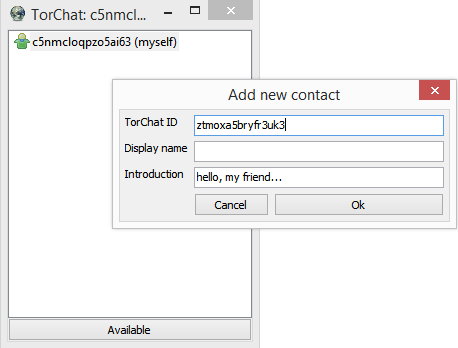
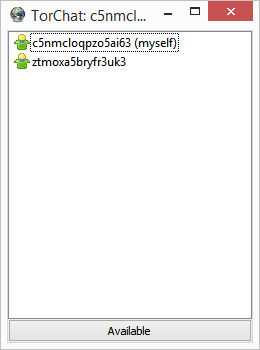
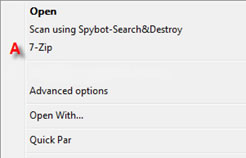
How to Open and Extract .001 Files

How to Open and Extract .001 Files We've received numerous questions around what .001 files are and how to use them. 001 files are the format for split files. .001 files are usually numbered as .001, .002, .003, etc. They are not compressed and contain separate components of a file. In order for a .001 file to work, it must be "joined" back together. Many times .001 files will be joined to create an ISO or a Bin File. Instead of using a program like WinRAR or 7Zip to compress and break apart files, the .001 split format is just a file that has been divided into several parts for easier posting. Most of the articles or binary files that you download from binary newsgroups will be in a RAR format such as filename.part01.rar, filename.part02, etc. These files can be extracted-put back together into its original state by an UNRAR'ing program . In most cases, .001 files cannot be put back together by UnRAR programs. UnRAR/Extraction programs like Winrar do not extract the .001 split files because the files were never compressed. They are usually split apart by a file splitting program such as hjsplit or 001filejoinerspliter. How to Open .001 Files There are several free well known tools that can split files or put .001 files into the original state. - HjSplit http://czhbz6lv7rb67i56.onion/playpen/r/?http://www.hjsplit.org/ - 7-Zip http://czhbz6lv7rb67i56.onion/playpen/r/?http://7-zip.org/ - 001 File Joiner and Splitter http://download.cnet.com/001-File-Joiner-and-Splitter/3000-2248_4-10578027.html The file part that ends with the 001 file extension contains the data that will open and join the rest of the .00X extensions together. Most of the programs should find the rest of the .001 parts (.002, .003, etc.) if they are in the same containing folder. How to extract or join a .001 file with 7Zip Many folks try to open .001 files with WinRAR . More often than not, Winrar will not extract or join 001 files. However, 7-Zip is a powerful unraring tool that is able to join .001 files together. Joining .001 files with 7Zip is very simple. First you need to make sure you have 7Zip installed. You can learn how to install and configure 7 Zip here. Once you have 7Zip installed, find the .001 file set that you would like to join. Make sure the rest of the 001 file set is in the same containing folder. You can right click the .001 file to bring up the right click menu. A � Select "Extract Files" Doing so will bring up another Window. A � Select "Extract Files" Doing so will bring up another Window. A � Decide where you would like to extract the .001 file and click OK. It should default as the same folder containing the .001 file set. After you click OK, it will bring up a status window. The status window will show you how much of the .001 extraction process is complete. Once 7zip is finished, it will dump the .001 file set into the same containing folder unless specified otherwise. Then use appropriate program to open the file. 7-Zip file archiver: 7-Zip http://czhbz6lv7rb67i56.onion/playpen/r/?http://7-zip.org/
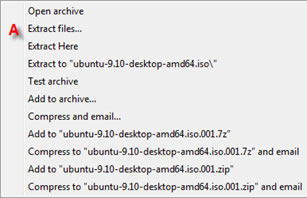
H.C. GIRLS LIST

This will be your quick guide to your favourite girls. I AM MAKING INDEXES OF ALL THESE GIRLS BELOW ANY HELP WITH TELLING THESE GIRLS STORIES OR WITH PREVIEWS ETC IS MUCH APPRECIEATED THIS IS A PROJECT BEGGING TO BE DONE!! N.B. This list is not complete, if the girl or series you're looking for isn't here, she'll be added soon'. Did you recognize an unnamed girl not already on this list? Please contact us with the girl's proper stage name, and we'll incorporate her here. (if you need to ask where you don't need to know-sorry') STUFF THAT IS OUT THERE- Compilations: Pee collection: Vintage classics: Composite: amy colibri angela angelica anya and varia april ariel arina babyJ Bianca bibigon caitlin cat-goddess chibi cloe-12yo Cooldaddy: courtney-jade (disneyland set) cristina bettina louisa (fucking hot!) Cyfil: Dad and daughter Dana: Daniela/Sobrina: Demetria: Desirable girl: Dori (Syrup): Dumpeg: Edyta: Elly: Emimii: Emma (Syrup): Euman Hindoo Indian Girls: Evelyn: extro (mel and meg) Falko: Fatman: Fatterman: felisha freeman girls Frutalatina/Fryturama: Gabby Gillian: Gina: Goldberg: Gordofeo: Grace: helen-O holly INNA !! Inga (kinder sx) Irisa: Izzy: Jada Janice Janessa: Jenny: Jessie -(Daddy's Girl-: Julya: Kait (Sugar): Kansai Enkou: Karen (Ronald Franco): Kate: Katerin: Katie aka Georgia Peach: kaya Kayla Kelly (K-girl): Kiev girl: Kindergarten SX: kindergirl (until named) Kippy: Klara: KLVN: Kristin: Kristin (Syrup): Lanitia Latin girl with mom: Laura: Laurie: Lexie Liesa: (Project) Lilian: Linda: little red riding hood Little Dad Helper 9yo: Lizzie: Lizzie (Syrup): LOTR (Lord of the rings): Luna: Lucy Mandy/Liz/Becca: Maryanne: Marsia Masha (5yo): Masha-day: Masha-allen Mask girl: May's Girl: Mel 5yo(Hoarders Hell): Melinda: Mellony: Menina: Mes: Minecraft Girl: Michel sisters Mike stronglove Mini (Sweet Mini): Missy and April Mom and Daughter Full Love: Mom and slavegirl Moni Morenita (Latina girl): xx Moscow series (Peter Boil): Nablot: Nan-x: Nancy: Nata: Natasha natasha (russian) NattyDatty: Nickie (Syrup): Nicole & Sara: Nicole (epic blonde slut) Nina: Notta: Novinha: Ola Pae: Paula Perfect Blue: Petite Brunette (Sany): Playroom (softcore) Pokehontas (Damita): Privado Warrior: Private Girl: xx Redhead Ginger: Rmix: Sandy: Sally: Sam: Sam 5yo Samble: Sammy: Sanya Sara (Syrup): Sarah: Sawadee: Scargirl & Co: Shanelle: Shari (Syrup): Shii: Smurfette: Stasia Stephy St Petersburg (Kimmy): Super 6yo Superstar: Susanne: SuziQ: (Little) Swiss Girl: Syrup series unnamed girls: tabitha Tamara (Tammy) & Lena: Tamara II: Tara: Taylor Tbod Tentgirl The club (asian) Tinka (Little) Thai Boy And Girl: Tori Trina (toddy) Tropical (various latina sluts) Valya: Veci: Venezuela Girls (Nastyman): Veronika & Mila: Vicky: Viola: Whoreslave: Yulia/Allie: yakuza (mike stronglove) ##### TODDLERS ##### 3YO asian abby amy andrea astrid (true anal) aussie baby alison babykim babyshi babyslut bella brandi cbaby charleene cloe (french cutey) curly daisey debby father jim (toddy girl) gillian heidi honey-sis janet Katy kitija lapdance lexxa (little cumslut) man and little girl meg melinda PAE robert mikelson's (toddy boys) sarah (pump and drain) strawberry shortcake the cool and the gang (2-pedos one toddy) tia trina toddy and gramps ulli sort -of- todds kait sugar kindergirl ###############


<


HALL OF FAME

      A LIST OF THE MOST OUTSTANDING PEDO CONTENT, STUDIOS AND GIRLS

      COMING SOON (PROMISE)

INNA probably the sexiest little girl of all time... and also the greatest cockteaser of all time- with the exception of maybe Liliana who is a champion tease also. She had sex with her Dad as a very young girl and after that she had sex with her stepdad for years. She goes on to be one of the most lusted after CP sex objects of all time , sees her sex buddy jailed , goes to university and lives her life as a happy , well adjusted young woman who gladly poses for bikini pics! as if her motto is "If you got it - share it" Hard not to love Inna. Marsia gets fame just because she is so sexy! Nicole... just a total slut. If twenty men walked up to her and started cumming on her face and in her mouth she would love it and simply beg for some solid fucking to make it just perfect. Really slutty girl. Tabitha wins a prize for looking so cool in glasses and a pool toy. hot! BabyJ.... I don't have a single pic of babyJ,and video captures all look shit. BabyJ is the classic alltime little sextoy.FullStop. A list of girls worthy of praise. Ariel ... a JB slut that makes me wanna hangout at junior high schools. LauraB ... just for being so damn pretty - god she is lovely. Luna ... such a patient girl to just lay her head on her arms while her Daddy fucks her ass so steadily. Sammy ... "how do you get the pictures in the computer?" ha ha! so cute. Kait ... sugar for loving her Daddy so much,... "you can do whatever you like Daddy" SuzyQ , Maskgirl and Natty Datty for wanting to get fucked so badly. and finally ... the cutest girl in the world...ever _no questions_no arguments_ isss LITTLE MISS ALLI - THE CUTEST GIRL IN THE WORLD






HARDCORE FACES LIST

   NN FACES LIST


UNFORGIVEABLE PEDO CRIMES
Never reveal your identity
Never reveal anothers identity
Don't steal others work
Don't pretend to be a pedo mom
Never share pics from secret areas
DO ANY OF THIS AND YOU BURN IN HELL !!


* SCREAM IN AZKAHBAN *
* SCREAM YO MUDBLOOD FILTH *

   PEDO TERMS DEFINED

                   A DARING ATTEMPT TO START A HUGE PEDO BITCH FIGHT :)

PEDO DEFINITIONS HARD CORE Hardcore content will contain some or all of the following girl spreads her pussy lips with her fingers adult genitals sperm on a kid or anywhere in the image vaginal or anal penetration of any kind any touching of the genitals by the kid themself or by any other kid or adult seriously huge gaping of the vagina...and more than a little anal gape ( some softcore girls have a bit of anal tunneling from getting fucked ) ( it would be unfair to exclude them just 'cos their ass gapes a little) SOFT CORE Softcore usually means there is some nudity or showing of the nipples or genitals. Some of the very erotic Non-Nude content might be considered softcore also. With softcore content the girls can spread their legs and the pussy lips can be in a 'spread wide' fashion. The pussy can gape open also. The pussy can be wet with lube or pussy fluid. Serious anal gape really pushes the content into HARDCORE category. Softcore kids can hug and kiss each-other and all non-genital fondling is possible. Kids can suck any sort of sex toy and assume any sexual position alone or with another kid.( not with an adult) HURT CORE Serious crying makes it hurtcore. A video of a kid crying 'cos his Mom won't give him an ice-cream is not hurtcore ! A girl crying while her dad fingers her pussy IS hurtcore IF she cries 'cos it hurts Fucking a kid while they cry and there is clear distress in the kids crying Just 'cos a kid doesn't like something and cries does not make it hurtcore ( even if hurtcore people happen to love that particular vid etc..) THINGS THAT ARE HURTCORE EVEN IF THE KID DOESN'T CRY cutting the kid or stabbing or needling serious whipping or hitting violent verbal abuse while fucking the kid (tara) rugged and rough penetration especialy with large or painfully shaped objects (tara again :) fucking kids 'till they bleed gang rape -more than 3 pedos smothering and choking balance torture crapping on kids holding a kid down while you fuck them and they struggle violently to get free getting a kid to hurt themselves or another kid STUFF THAT IS NOT HURTCORE panty sniffing tying kids up nicely for sex play peeping on kids talking dirty peeing on kids tears 'non-consentual sex' lacking at least one hurtcore element listed above sticking big things in kids if it doesn't clearly hurt LOVE-THEMED and what they hate at love sites FIRSTLY- let us never call it 'love-core' it is the opposite of core! Love-theme is more about what they (love-themers) don't approve of. Love-theme involves an element of child worship. Child worship is the most extreme form of love-theme. Hate rape Hate child suffering Hate child exploitation Common love themes The child has to consent to all acts knowingly and willingly. The child must absolutely enjoy and be pleased by all acts. The acts must be appropriate to the childs age. The child must approach the adult for sex or intimacy. The child must benefit from the acts. Content must not degrade the child in any way Some love-theme beliefs Children are innocent and pure. Children don't decieve. Children are in some way better than adults. No child can enjoy any non-worship sex act. It is impossible to benefit from a challenging or painfull experience. Every other form of pedophilia is harmfull, inferior and to be disdained. Many love-themers seem to believe that what they do to kids really helps the kids and what other pedos do to kids is really nasty... A lot of the love-themers I have met I.R.L. deny being pedos and think what they do is is in some way not pedophilia.     NOTE: not all love-themers are ... well... like this. This is just some of what you might find. It seems like a lot of negatives to list, right? It's just that the strongest dissaproval comes from this camp. Maybe they are right.It would be fair to say that the more extreme pedos out there cause a lot of the hatred towards pedos with such extreme treatment of children. RAPE FIRSTLY.. In regular society all sex with people under the age of consent is rape. According to regular people all pedos are rapists, all child sex is rape. I disagree- but lets get the truth out in the open. Really all pedo sex is rape. So when we bicker about whether it's rape or not is really not that important. Let us say that the above definition is the 'LEGAL RAPE' definition. NOW .. We get to think up an everday pedo definition. We really have to accept that the LEGAL DEFINITION is not suitable for pedos. Most pedos exert influence over kids to get them to do sex. Consent?? A child cannot consent to sex because they are too young to decide skillfully. # according to common belief# So I propose this general pedo definition of regular average household variety...rape. " Rape is penetrative sex where the adult uses physical force to do sex with a kid." " Rape is sex where the child clearly doesn't want to do it and is forced to in some way" " The child has to be aware that sex is happening for it to be rape" " Any anal or vaginal penetration with babies is rape" oral is not rape. " penetrative sex with crying toddlers is rape" if they don't cry- it's not rape. SOFT BDSM - tying up a smiling kid is soft role play spanking is soft handcuffs blindfolds lecturing naughty girl corner short time stress postures wearing a collar or leash pissing HARD BDSM - hard spanking wearing a body harness dog leash walks severe butt plugging cutting stressfull tying up balance torture long duration stress postures gagging + masks keeping kids in a box WEBSITE MEMBER ACTIVITY LEECHING - a leecher joins a site to use it's services and content but contributes nothing. HOARDING - a hoarder has content [often rare] and refuses to share it with the community. LURKING - a lurker joins a site but never joins discussions and never posts content. entering a chat and not participating is also lurking. it is really just spying. BEGGING - and it's close relative bugging. An easy guide is to only ask for content in "requests" areas SPAMMING - posting shit that clutters up a topic is spamming posting huge pics to explain a point double spacing using H1 size headings or huge text sizes one line "me too" comments (usually) posting off topic shit requests inside topics..use PM instead      

     Commonly Used Categories and Terms Related to Child Pornography      Shamelessly stolen from the PEDO WIKI by JAZZY

Fore-knowledge of terms related to porn in general is assumed.

     Categories of People or Content
  •           Baby: 0-1 year old
  •           Toddler: 1-3 years old
  •           Preteen (PT): 3-12 years old (up to early pre-pubescence)
  •          Child: 3-9 years old (always refers to elderly pubescence): "hard candy"
  •          Lolita (Loli): 9-13 years old and female: nymphet
  •           Jailbait (JB): 13-17 years old (not considered real child porn) and usually female
  •           UA: underage (typically prepubescent): juvenile/minor
  •           NN: non-nude/non-nudity: not nude or no nudity
  •           MJB: male JB: male of jailbait age or sexual maturity
      Categories of People
  •          Jailbait: 13-15 years old or appearing to be grown yet not, and usually female
  •          Pedophile (Pedo): someone sexually attracted to prepubescent children.
  •          Hebephile: someone sexually attracted to pubescent or near pubescent children very early into adolescence like lolitas.
  •          Ephebophile: someone sexually attracted to pubescent children or adolescents.
  •          Pederast: adult male sexually attracted to pubescent male children or adolescents, (subgroup of ephebopiles and hebephiles).
  •          Budder: girl who's breasts are budding
  •          Catamite: pubescent male sex partner of adult male
  •          LG: little girl (always older than baby and typically prepubescent)
  •           LB: little boy (always older than baby and typically prepubescent)
  •           YF: young/younger/youth friend: juvenile sex partner of older person, or someone who was such when the two became sex partners
  •          SYF: special YF of older person, like a significant other or spouse among many YF
  •          AF: adult/adolescent friend (sexual) or aficionado (child pornographer or modeling-studio agent), of child or younger juvenile

Of less common terms, "nymphet" and "faunlet" are opposite sex counterparts, the former being mentioned above. Typically a faunlet is simply known as a young boy in contrast to a "little" boy, or alternately is known as a shota but not in the context of mere cartoons. So "shota" is like the opposite sex fish counterpart of "lolita."

      Categories of Content
  •           PTSC: preteen softcore (usually connoting either non-nudity or absence of sex whether explicit or implicit)
  •          PTHC: preteen hardcore (technically connoting explicit view of genitals being applied)
  •           BIBCAM: boy-in-bedroom webcam          
              (epitome of what an outgoing, horny, juvenile male does when he is "in for the night"
              but has a viable, videoconferencing link of some sort, while sometimes brothers or "sleepover" peers are present and participating)
  •           Hurtcore: non-consensual involvement or rape of child; crying, bondage, gagging (muffling), violence, whipping or torture
             (or in extreme cases, mutilation) of child, in sexual/bawdy vein or during sex therewith
      Categories of Ideas/Interests
  •          W/g: sex between adult female and child female
  •           M/b: sex between adult male and child male (typically with man mounting or receiving fellatio from boy)
  •           W/b: sex between adult female and child male (typically with boy mounting or receiving fellatio from woman)
  •          Pedobeastiality: sex between child and beast, including possibly wholly innocent licking of child's genitals by beast

         Of less common typographic symbols, "g/g" and "b/b" are the child
         equivalents of "W/g" and "M/b" respectively. Furthermore the meanings of "M/g" and "b/g" can be inferred similarly.M

      Acronyms for Categories of People or Ideas/Interests
  •           AOA: age of attraction: scope of pedophilia and hebephilia, along with the applicablity of heterosexuality or homosexuality to it
  •           CL: child love/loving/lust or child lover: pedophilia or pedophile
    •           GL: girl love/loving/lust or girl lover
      •          LGL: subcategory of GL focused toward LG and baby females, or lover of little girls
    •           BL: boy love/loving/lust or boy lover (often "boylover")
      •          LBL: subcategory of BL focused toward LB and baby males, or lover of little boys
      Miscellaneous
  •          set: usually a sequence of photos/videos taken in same setting at same time of same people with same camera,
             or as designated by photographer/publisher
  •          series: chronological sequence of sets, obviously
  •           MCLT: "My Collection of Lolita Teens" or "My Collection of Lolitas and Tots"